
Introduction: What Is Veo 3?
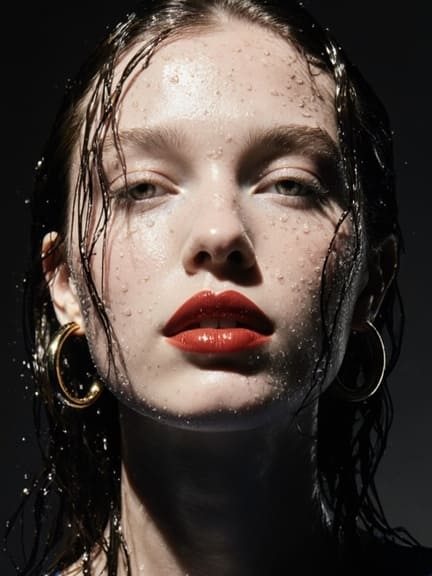
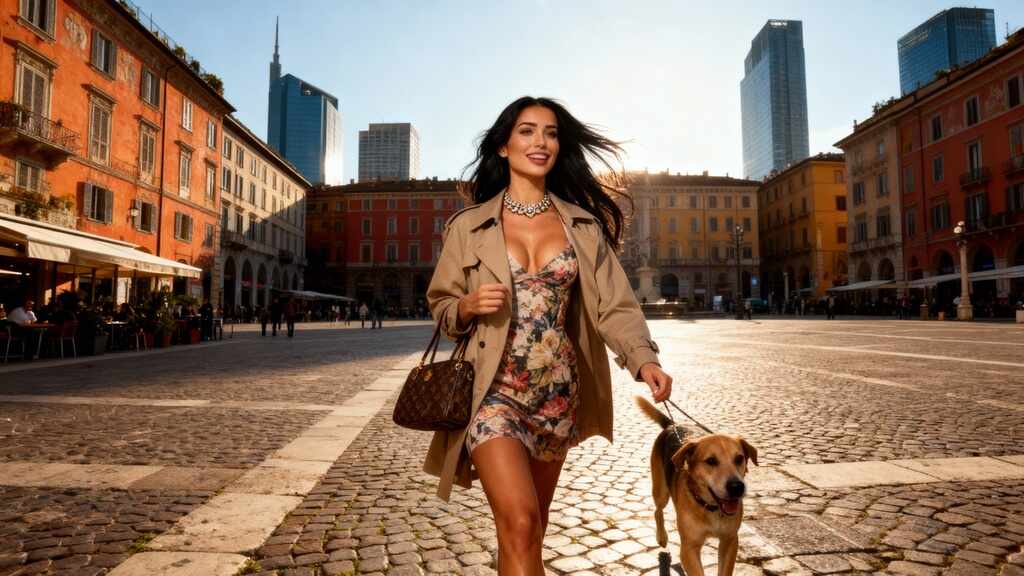
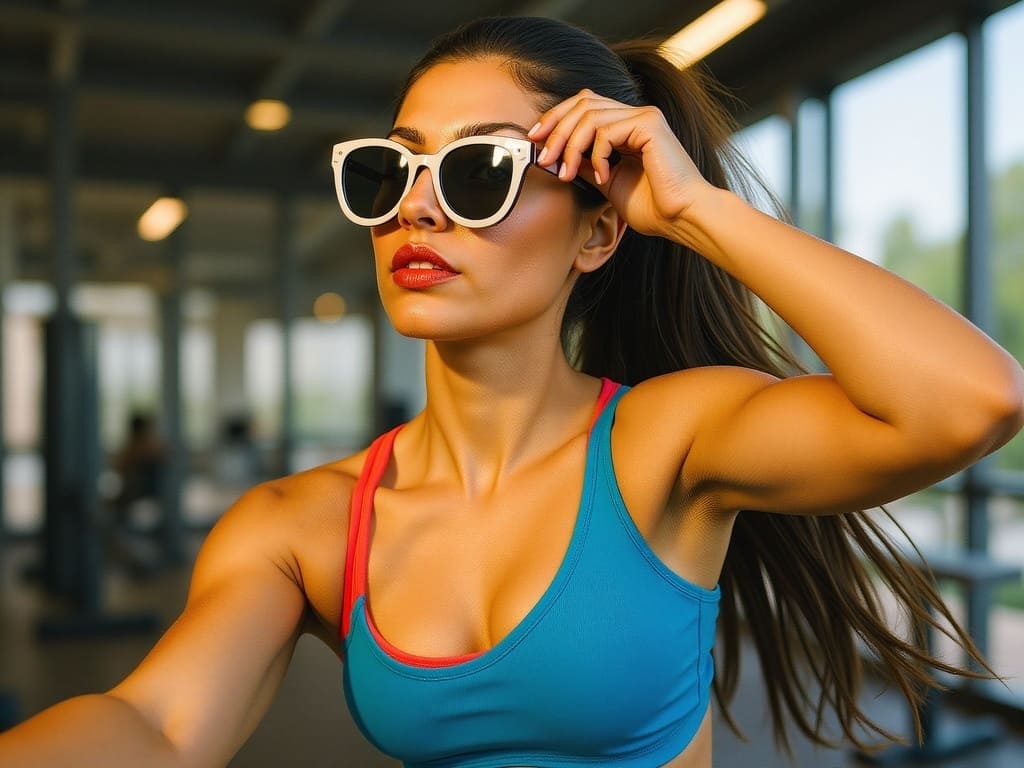
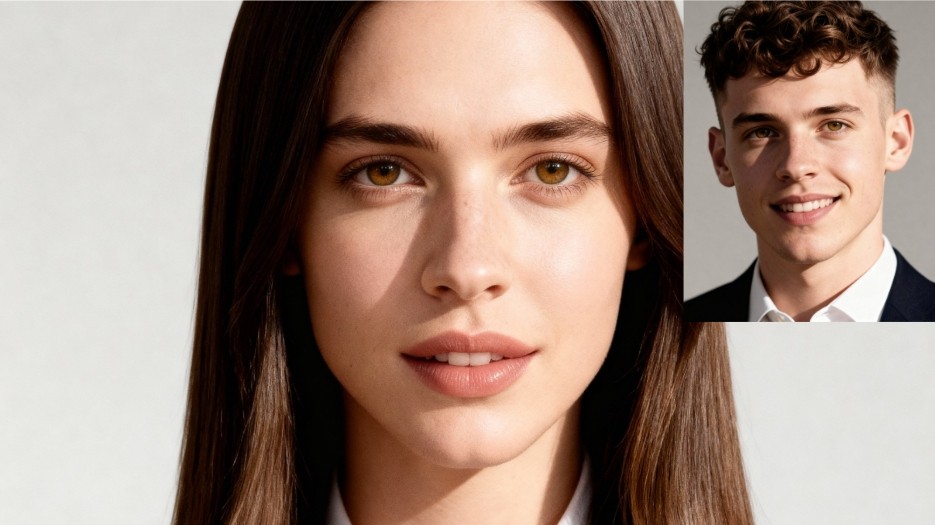
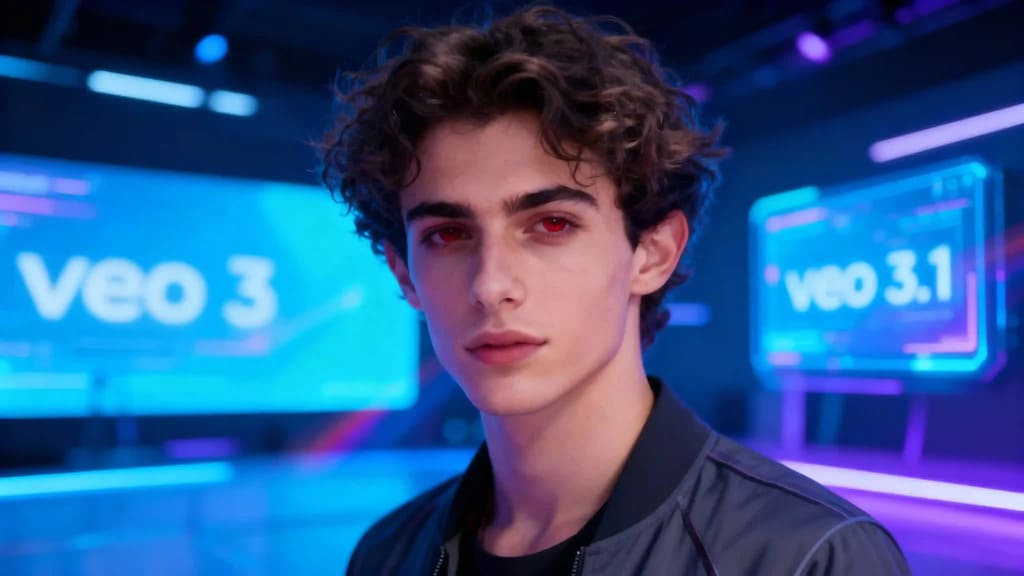
Veo 3 is Google's latest text-to-video AI model and arguably the most advanced tool of its kind to date. Unlike previous models, Veo 3 can produce short, hyper-realistic video clips complete with sound, natural physics, and even dialogue. Its groundbreaking capabilities have caught the attention of filmmakers, marketers, and tech enthusiasts—but also of watchdogs, ethicists, and disinformation researchers.
At the heart of the debate is a pressing concern: Will Veo 3 revolutionize creativity or supercharge the global misinformation crisis?
The Evolution of AI Video Tools
AI-generated imagery has advanced rapidly in recent years, with tools like OpenAI’s Sora, Runway, Submagic - Ai-powered subtitle generator paving the way. However, it takes a significant leap by offering:
Realistic motion and physics
Voiceovers, music, and ambient sound
High visual fidelity
Multilingual support
Complex scene compositions
These features push Veo 3 into uncharted territory, where the line between real and synthetic becomes increasingly hard to discern.
How It Works
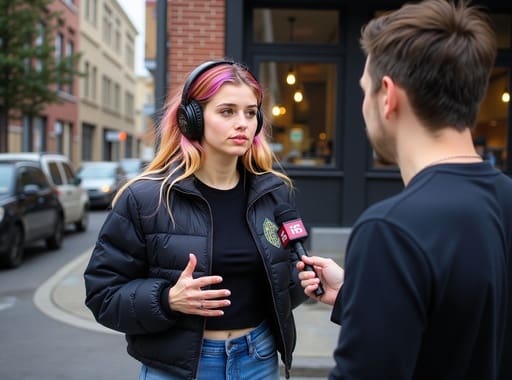
Users input a descriptive prompt—for example, “A protest in downtown Buenos Aires with police and smoke grenades”—and within seconds, Veo 3 generates an ultra-realistic 8-second clip. Google has trained the model on extensive video datasets and implemented an internal system for filtering harmful prompts.
Despite safety filters, it has been shown to generate misleading or inflammatory content, including:
Election interference scenes
Riot footage in politically sensitive regions
Fabricated humanitarian or military events
These cases raise urgent ethical and regulatory questions.
Real-World Risks and Controversies
Misinformation and Deepfake Propaganda
TIME magazine recently reported that it was used to create synthetic clips showing:
Voter fraud involving ballot shredding
International conflict misrepresentation
Misleading racial narratives after a real-life tragedy
While the videos often include minor inaccuracies, experts warn that they can be incredibly persuasive—especially when shared during unfolding news events.
Erosion of Trust
One of the gravest consequences of tools like Veo 3 is the erosion of public trust in visual media. Cybersecurity professionals and media law experts are already seeing a trend where viewers increasingly doubt the authenticity of both real and fake content.
This "liar’s dividend"—where real videos are dismissed as fake, and fake ones are believed to be real—could damage the foundations of democratic discourse.
Safety Features and Limitations
Google claims Veo 3 includes multiple safeguards:
A visible watermark (which can be cropped)
An invisible watermark called SynthID
Prompt blocking for certain topics (e.g., hurricanes, public figures)
Red-teaming prior to release
Still, TIME and other researchers demonstrated how easy it is to generate provocative scenes with minimal prompting. Moreover, Google’s watermark detection tool isn’t yet publicly available, making real-time verification difficult.
Who Can Use It?
Veo 3 is currently available to Google AI Ultra subscribers in select regions, including the U.S. and U.K., for $249/month. This limited access model may provide some barrier against mass misuse, but it also raises questions about equitable access and surveillance.
With open-source alternatives growing in power, the exclusivity of Veo 3 may not last long.
Creative Potential vs. Harmful Exploits
Despite the controversy, Veo 3 also opens up incredible opportunities for:
Independent filmmakers
Educational content creators
Simulation-based training tools
Storyboarding and ideation
However, the dual-use nature of Veo 3 means that the same capabilities can be used to fabricate scandals, incite violence, or manipulate public opinion.
Legal and Regulatory Gaps
Legal frameworks have yet to catch up with Veo 3-level technology. Key concerns include:
Copyright infringement from training data
State-by-state variation in deepfake laws
Nonconsensual explicit content
Misrepresentation of real people or events
While some jurisdictions have introduced deepfake-specific laws (e.g., the Take It Down Act in the U.S.), there is no global standard yet.
What Needs to Happen Next?
Experts argue that responsible deployment of tools like Veo 3 requires:
Mandatory watermarking with tamper-proof detection
Legally binding safety thresholds for generative models
Broad accessibility to verification tools
Independent third-party audits
Transparent disclosure of training datasets
Without these, the risks may soon outweigh the benefits.
Final Thoughts: Veo 3 as a Turning Point
Veo 3 represents both the future of digital media and a potential inflection point for global information ecosystems. Its ability to render believable yet fabricated footage in seconds is both thrilling and terrifying. Whether it becomes a tool for creativity or chaos will depend not only on its users, but on the frameworks—ethical, legal, and technical—that we build around it.
FAQs About Veo 3
Q1: What is Veo 3?
A1: Veo 3 is Google’s latest AI-powered video generator that transforms text prompts into realistic video clips, complete with sound and motion.
Q2: How long can videos be?
A2: Currently, Veo 3 can generate clips up to 8 seconds in length.
Q3: Is there a watermark ?
A3: Yes, both visible and invisible watermarks (SynthID) are embedded, but the visible watermark can be cropped.
Q4: Can It be used to create fake news?
A4: Technically yes—although safeguards are in place, researchers have demonstrated that it’s possible to create misleading content.
Q5: Who can access It?
A5: Veo 3 is available to subscribers of Google AI Ultra for $249/month in select regions.
Q6: Is it better than OpenAI’s Sora?
A6: Veo 3 supports audio, natural physics, and complex scenes, making it arguably more advanced in some respects than OpenAI’s Sora.

Be the first to like this.


No credit card needed


