Turn your character portrait into a short talking video. Add speech, check the credit quote, and review the result before export. Explore APOB’s workflow and compare it with HeyGen.
This walkthrough uses Mara, an original fictional fashion host, and the short line “One jacket, two looks.” Start with this small check before planning a longer lookbook introduction.
1. Upload your character and confirm Save
Open APOB and sign in. On the home screen, choose Continue with No Model; the sidebar calls the same entry Quick Start with no model. In the workstation, select Talking video → Talking Avatar.
Choose Upload image, select the portrait, wait for the upload to finish, then click Save. The image should appear under Reference image. Select content is the alternative for an image already available in the app.
For Mara, we used a front-facing portrait with an unobstructed mouth. A preview alone does not prove upload success: during this walkthrough, an upload failed and Save stayed gray. Retrying in a normal browser completed the upload. Check that the reference is actually selected before proceeding. For a new character, start with the AI Influencer Generator.


2. Choose how to supply the spoken line
For text-to-speech, stay in Create audio, choose a Voice model, and enter only the words to be spoken in Script:
One jacket, two looks.
Our setup uses the in-app voice Leah, Overall mood: None, and Speed: 1.0×. We did not create a custom voice model or upload a recording for this run.
If you already have an authorized voice recording, switch to Select audio → Click to upload audio. To prepare and hear a reusable take first, choose Select audio → Generate audio, then listen in History and select the finished audio. That separate preparation may incur its own charge. Reusable audio workflow.
Keep directions such as “cut to the jacket” in your edit notes. They are not spoken dialogue. Pick a voice suited to the script's language; review pronunciation before a longer production.
3. Wait for the final quote before generating
Select a supported Quality and Resolution. The inspected controls show Best / 720P, Ultra / FHD, and UltraS / 720P, FHD or QHD.
Our initial estimate was approximately three seconds and 60 credits. After calculation, it became 2 seconds × 20 credits/second = 40 quoted credits. The ≈ marker distinguishes the temporary estimate from the completed quote.
Changing speech speed changes duration and triggers another quote. If clicking Generate requests duration calculation, let it finish and inspect the resulting quote before clicking again. Quote behavior.
Attempt budget = all generation quotes + separately charged preparation. Three attempts at an unchanged quote require a budget of 3 × that quote, plus preparation. A quote is not a receipt: inspect Profile → Credit usage table → View all → Used for deductions. Dedicated BONUS UltraS credits only fund eligible tasks. Credit history and balances.


4. Open the result and review the entire take
After submission, wait for the task to finish in Generation, then click its thumbnail. If a preview opens first, choose Details. Use the speaker icon to enable sound. Compare the saved Voice model, Speed, Quality, Resolution and Script with your intended setup.
Play the completed clip with sound. Check mouth timing, face shape, teeth, the opening and closing words, and the intended crop. Inspect the whole take rather than accepting a single good frame. Review unexpected additions, such as hand movement, as well as the mouth.
For a failed take, record the problem and change one input or setting at a time. When the attempt budget is spent, revisit the portrait or audio before repeating the setup. A short diagnostic line does not validate every character or a longer script.
5. Download the file and check delivery requirements
On desktop, open More actions → Download. Save the file and play it locally. If the download is not ready, wait for generation and file preparation to finish. Content and download controls.
Check actual dimensions, duration, sound and watermark conditions. A 720P interface label is not a substitute for measuring the downloaded file: the downloaded walkthrough example is 624 × 816 at 25 fps, in an H.264/AAC MP4, with approximately 2.005 seconds of media.
For Mara's lookbook, add separate garment footage and captions in the final edit. The talking portrait introduces the outfit; it does not demonstrate real fabric movement or fit. Verify the finished export against the destination's requirements before replacing a wider workflow.
Use an authorized image and a short audio take. Check the quote before generating.

Why consider APOB for an existing character workflow?
APOB is worth evaluating when you already prepare your character images or speech there. Select an approved image, choose an audio take, and inspect the generation quote before committing. Those documented steps give you a defined clip to evaluate; they do not establish a quality or cost advantage over HeyGen. Image and speech inputs, reusable audio.
Which tool matches the job you are replacing?
Your next job | Documented route to consider | Decision boundary |
|---|---|---|
Make a character portrait speak | APOB Talking Avatar or HeyGen Avatar IV | Both accept image-based characters and speech. Judge your actual outputs. |
Change speech in an existing character video | APOB Lip Sync | Video plus replacement audio is a different input path from a still portrait. |
Translate existing footage | HeyGen Video Translator | Supplying replacement dialogue does not itself translate a video. |
Build a video-based personal avatar | HeyGen Avatar V | Evaluate the recorded-person workflow when that is central to the project. |
Deliver SCORM training content | Preserve a working LMS delivery path while evaluating a separate talking clip. |
These are documented starting points, not an exhaustive feature inventory. Equivalent APOB translation, personal-avatar and SCORM workflows were not established in this review. Comparative lip sync, stability, speed and cost remain untested.
What should you carry over from a HeyGen project?
Prepare the original portrait and its permissions, the script, independently usable audio, caption text, crop and required file specifications. Having access to a HeyGen project does not establish that its avatar or project file can transfer to APOB; portability remains unverified.
Evaluate one self-contained introduction before replacing a wider workflow. Record total spending and accepted takes. Credits from different products are not equivalent units of money; any cost comparison needs the actual plan prices, billing assumptions and all attempts.
Use image prompts in Generate Image; the documentation calls its composer Chat to generate, while the tested desktop interface also showed Description. Put spoken lines in Script or record them. Select production controls separately: inline Create audio has Overall mood, + Mood and Speed; the separate audio dialog uses Emotion. Image composer, Talking Avatar, audio dialog.
Fashion creator: prepare the host portrait
Purpose and field: Create a caption-friendly reference in the image prompt box.
Chest-up editorial portrait of an original adult virtual fashion host, short copper bob, charcoal jacket over a cream top, facing the camera, relaxed closed mouth, evenly lit face, plain warm-gray studio background. Leave clear space below the shoulders for a caption. No text, brand logos, microphone, or hands covering the face.
Output and separate controls: A portrait candidate. Select aspect ratio and image quality in the interface; inspect the crop before animation.
Fiction creator: establish an original narrator
Purpose and field: Define an archivist in the image prompt box.
Original adult fictional archivist with round glasses, close-cropped dark hair, and a rust-colored cardigan. Front-facing chest-up composition, both eyes and the entire mouth visible, softly blurred shelves behind, warm desk light balanced by gentle frontal light. Calm expression. No resemblance to a named actor, no text, no dramatic shadow across the mouth.
Output and separate controls: A narrator portrait. Choose the format separately, add title graphics in the edit, and inspect glasses and facial details in the talking result.
Ecommerce marketer: answer without a fake testimonial
Purpose and field: Put verified care guidance in Script or a voice recording.
Wondering how to care for your new pouch? Start with its care label. Check the instructions before choosing a wash cycle, and keep the label available for later.
Output and separate controls: A mascot FAQ introduction. Confirm the product facts, select the voice, and add real label footage in the edit.
Social editor: compare two opening messages
Purpose and field: Generate two speech candidates from Script or recorded audio.
Script A:
Before you choose the outfit, look at its silhouette. This combination starts with one structured piece and leaves the rest relaxed.
Script B:
Which detail makes this outfit feel balanced? Start with the jacket, then follow the line down to the trousers.
Output and separate controls: Two editorial options. Keep the character and delivery settings fixed. Audience preference requires a separate audience test.
Producer: check pronunciation before the main clip
Purpose and field: Use Script or recorded audio to check a title and repeated consonants.
Welcome to The Midnight Archive. Before the story begins, picture a blue paper envelope beside a brass bell.
Output and separate controls: A diagnostic take. Approve pronunciation first, then inspect lip movement during playback before producing the full introduction.
Use one approved portrait, one spoken line and a fixed attempt budget. Judge the saved result against your publishing brief before changing the rest of your workflow. For separate movement shots, explore Image to Video.
Start your character-video test
About this comparison: Prepared for APOB AI with AI-assisted research and drafting. On September 10, 2026, an AI agent operating in Codex completed two APOB Talking Avatar runs with the same original fictional portrait and spoken line; this illustrated guide shows the second run. The input portrait and OG cover were made with a separate image-generation tool. Retained quotes, normal downloads, file checks and automated transcripts support the walkthrough. Actual debits remain unconfirmed; no human listening review or matched HeyGen performance test is claimed. HeyGen capabilities were reviewed through official documentation.
Authorize face and voice use. Get explicit, verifiable permission for a real person's image and voice, including the intended message, campaign and AI processing. Owning a photograph does not necessarily authorize making its subject speak. APOB terms.
Clear inputs and service terms. Check artwork, music, scripts and product assets. APOB's terms recognize generated-content ownership to the extent permitted by applicable law, subject to third-party rights and a broad, ongoing service license covering models and generated content, including promotional uses. Confirm compatibility with client agreements. Content rights, sections 5.1–5.2.
Use the appropriate disclosures. YouTube uses AI use for qualifying realistic AI content; TikTok also requires disclosure for realistic generated images, audio and video. YouTube, TikTok.
Keep endorsements truthful. Make the virtual host's role clear when viewers could be confused. Do not invent customer experiences. TikTok's commercial disclosure is also required for promotional content; it serves a different purpose from an AI label. Commercial disclosure.
Check confidential-client requirements. Visibility, training uses and retention are separate questions. Resolve them before uploading; the privacy FAQ below explains the relevant conditions. Privacy Policy.
These are production examples, not customer results. The durations are targets; time the audio and respect the selected mode's limits.
A virtual fashion host introduces the next lookbook
An independent fashion creator needs Mara to introduce a styling series to followers deciding whether to watch. Use an approved studio portrait and target a 12–18-second vertical introduction.
Spoken script: “I'm Mara, your virtual style host. Today we're pairing a structured jacket with wide-leg trousers. Watch the next shots for the details.”
The clip establishes the host and the subject. Add separate garment footage to show details or fit; the avatar's introduction is not evidence of how a real item wears.
A fictional narrator opens a YouTube Shorts mystery
For The Midnight Archive, use an original adult narrator portrait and an approved recurring voice. Aim for a 10–15-second opening that signals fiction to mystery viewers.
Spoken script: “Tonight in The Midnight Archive: a lighthouse keeper receives a letter dated tomorrow. One detail on the envelope changes everything.”
Add the title during editing and follow with separate story scenes. Keep the complete square or vertical upload within YouTube's qualifying three-minute Shorts limit; the opening is only part of that runtime. Shorts requirements.
A brand mascot answers a pouch-care question
An ecommerce team needs one practical answer for existing customers. Start with brand-owned mascot artwork that has a visible mouth, targeting a 10–15-second product-FAQ clip.
Spoken script: “Before cleaning your pouch, check the care label inside. It gives the instructions for this fabric. Keep it handy for the next wash.”
Confirm that the product has the described label and show a real close-up. Test the stylized mouth before producing more FAQs. The mascot can deliver approved information; it should not impersonate a satisfied customer.
Reuse approved inputs. Saved character artwork and finished audio can form the test's source assets.
Inspect the planned spend. Quotes expose the selected setup's cost before submission.
Separate the production decisions. Approve the voice track before evaluating an animated face.
Retries add cost. Budget all attempts and separately charged preparation, not only the accepted take.
Short clips have limits. Talking Avatar's documented ceiling is three minutes; longer projects need a different plan. Duration limits.
Finishing remains necessary. Supporting shots, captions and delivery checks sit beyond the speaking-portrait task.
No Credit Card Required


Is APOB a HeyGen alternative for talking avatars?
It is an option for evaluating a still character portrait with speech. HeyGen also supports photo-based and virtual characters, so character input alone is not an exclusive advantage. Compare your actual workflow and accepted output. HeyGen Avatar IV.
When should I keep using HeyGen?
Keep it in consideration when you depend on video-based personal avatars, translation of existing footage, or eligible SCORM training exports. A short speaking portrait does not replace those requirements.
Can I try APOB without a paid subscription?
The Nano plan has an 80-credit daily refill. Check the exact quote and eligible balance for your chosen clip; a daily allocation does not guarantee a particular duration or number of attempts. Plan and credit guidance.
How do I know what my video will cost?
Read the completed quote after selecting the voice, script, speed, quality and resolution. Add separately charged preparation. Our two-second setup quoted 40 credits; the refreshed account ledger did not show a matching deduction, so that amount is a quote, not confirmed spending. Current subscription offers appear through Pricing or Upgrade.
Where can I check retry charges or refunds?
Budget another generation as another attempt. In Profile → Credit usage table → View all, Used filters deductions and Added shows additions. A REFUNDED entry indicates returned credits; an unwanted take does not itself establish a free retry. Billing history.
Can I upload my own voice or make a custom voice model?
Upload an authorized recording through Select audio. Creating a reusable custom voice model is a separate task; APOB's guide requires Macro or above. Its voice-model source recordings use a 10–90-second range, which must not be confused with the talking video's audio limits. Voice models.
How long can the talking clip be?
The documented range is 1–180 seconds, with a 4–180-second range for UltraS. Our two-second script therefore is not an UltraS test. Use the exact synthesized or selected-audio duration when choosing a mode. Talking Avatar limits.
Does a higher quality setting guarantee better lip sync?
No such result was established in this review. Choose a tier compatible with the delivery requirement, then inspect your face and speech. Also measure the exported raster: our downloaded example's dimensions differed from the interface label. The render tiers have not been compared here.
Why does Generate stay disabled or ask me to wait?
First confirm that the image upload is complete and the required speech input is present. For typed speech, choose a voice and keep the script within 2,000 visible characters. An expired or pending exact quote can trigger a calculation step instead of a generation. Check the returned message before trying again. Generation checks.
Why is my completed video silent in the preview?
The viewer starts muted because of browser autoplay restrictions. Click the speaker icon to enable sound. The official guide says this control appears when the content contains audio; if it is absent, check the selected result and its file rather than assuming that every video includes a soundtrack. Playback help.
Will my download have a watermark?
The official guide requires a watermark on Nano downloads and on content originally generated by a free account, including after a later upgrade. The inspected sample frames showed no obvious mark, an unresolved account-specific observation that does not establish watermark-free access. Confirm clean-delivery requirements before generating. Watermark conditions.
Can I use the result commercially?
APOB's terms contemplate commercial creative use, subject to their conditions and your input rights. A paid account does not clear likeness, copyright, endorsements or client-contract obligations. Obtain permission for real faces and voices and keep the virtual presenter's role truthful. Terms.
Are my files private, and can I delete them?
Private mode requires a paid tier, and Nano cannot hide already-public content. To delete an individual item you own, open its details and choose More actions → Delete. Account deletion is a separate, permanent action through Profile → Account settings. Policy retention exceptions still apply, including possible preservation of popular public models. Visibility does not establish exclusion from the policy's AI/ML training uses. Visibility and content deletion, account deletion, Privacy Policy.
Can I publish the clip on TikTok or YouTube Shorts?
Check the actual file and finished edit against the platform's requirements. Qualifying square or vertical YouTube Shorts can be up to three minutes. Add readable captions, any supporting footage, and required synthetic-media or commercial disclosures. A portrait-shaped file is not automatically a 9:16 export. Shorts specifications, TikTok AI disclosure.
What if I already have a character video?
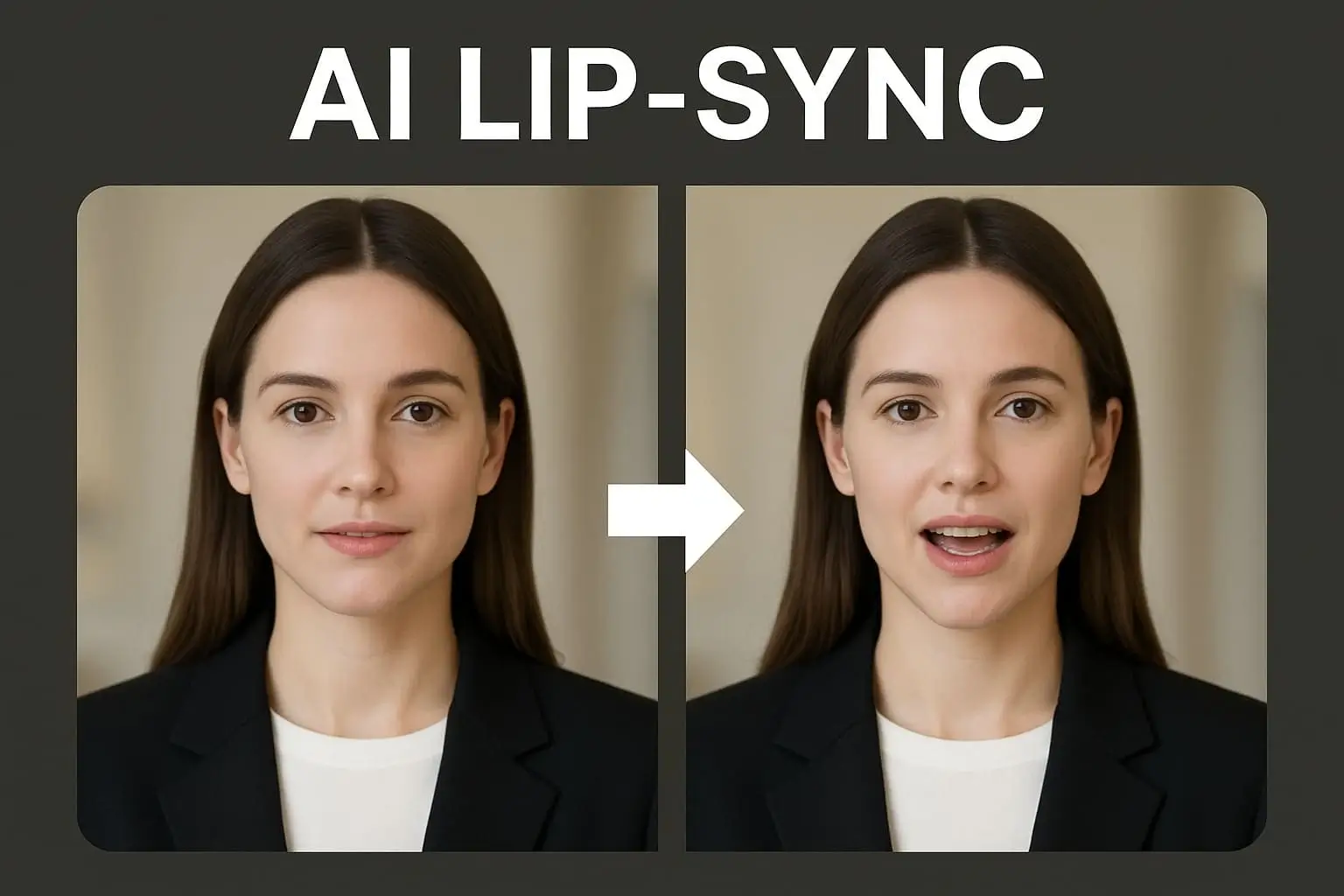
Use the source video and authorized replacement audio with Lip Sync. Talking Avatar starts from a still image. Neither supplying a new track nor changing the mouth movement automatically translates the original dialogue. Mode selection.


