Edit AI-generated and uploaded videos in one workflow. Use APOB AI to refine creator clips, ecommerce demos, AI influencer videos, talking avatars, lip sync content, and social media-ready assets without rebuilding every shot from scratch.
Step1: Start with the task, not the tool
Open the video workflow that matches the job: edit an existing clip, generate a new video from text, turn an image into motion, create a talking avatar, add subtitles, or extend a short clip. A creator making a YouTube Shorts intro may start from Text to Video, while an ecommerce seller improving a product demo may begin with Edit Video.
The common problem is choosing too broad a workflow and getting a result that looks unfinished. APOB AI helps by separating image-to-video, text-to-video, talking video, edit video, subtitles, and video extension, so the editing path is easier to match to the final asset.

Step 2: Create an AI influencer reference image
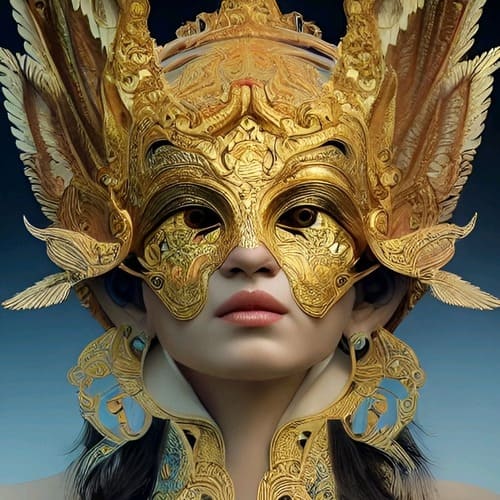
Open the AI influencer generator and write a detailed avatar prompt in the Bespoke Details box. Describe the face shape, eyes, eyebrows, nose, lips, skin texture, hairstyle, makeup, outfit, and overall creator style. For a more realistic AI influencer image, keep the character original and avoid celebrity likeness, brand logos, text, or watermarks. Then click Generate to create the avatar image and choose the best result as your reference image.
Prompt:
Ultra-realistic adult female AI avatar, 25 years old, original fictional character, soft European fashion influencer look, natural oval-heart shaped face, balanced facial proportions, softly defined jawline, smooth realistic skin texture with visible pores, subtle peach blush, healthy natural glow, clear hazel-green almond-shaped eyes, realistic iris texture, soft under-eye detail, natural eyelid crease, long but realistic eyelashes, gently lifted full eyebrows with individual hair strands, straight refined nose with soft bridge shadow and slightly rounded tip, naturally full lips with defined cupid’s bow, soft rose-nude lip color, relaxed confident expression, gentle closed-mouth smile, high cheekbones, clean forehead, subtle facial asymmetry for realism.
Step 3: Edit the character in your video
Go to Edit video and choose Edit character. Upload your original video, then add a reference image if you want the character to follow a specific face, identity, or visual style. This step is useful when you want to change the person in a video while keeping the original pose, movement, timing, and scene structure. Select the duration, resolution, and quality settings, then click Generate to create the edited video.


Step 4: Review and refine the edited video
After the AI video editor generates the final video, compare the original clip with the edited result. Check whether the new character looks natural, follows the original motion, keeps the same pose timing, and fits the lighting and background. If you are not satisfied, you can adjust the prompt, change the reference image, or generate again.
You can also continue editing with more tools. Use edit product to replace, adjust, or refine a product in the video while keeping the scene natural. Use edit character to change the person in the video while preserving the original pose, motion, timing, and background. Use edit motion to improve body movement, gestures, camera action, or object movement. Use edit everything when you want broader control over the full video, including character, product, scene, style, and motion changes.


























One editor for AI videos, avatars, and product clips
Many editors are strong at trimming or captions but weak when the asset includes an AI avatar, product reference, face swap, or talking video. APOB AI connects those workflows, so a creator can generate a portrait, turn it into a talking avatar, edit the clip, add subtitles, and export a social version from the same creative environment.
Better control over identity and product consistency
For ecommerce sellers and influencers, small details matter: product labels, face shape, hair, clothing, logo areas, and background style. APOB AI helps users provide references and edit the parts that need improvement without treating every output as a brand-new random generation.
Useful for campaign teams, not just one-off clips
Marketers can move from a content calendar to finished assets: create a hook, generate or upload the clip, add subtitles, make aspect-ratio versions, and test different CTAs. This is helpful when a team tracks ideas in Excel but needs a faster way to produce the actual video variations.
AI influencer content for consistent posting
A creator can build an AI influencer, generate a portrait, create a talking video, add subtitles, and edit the clip into short-form posts. The workflow is useful when the goal is a repeatable character format rather than a single experimental AI clip. (Brands using AI-generated influencers to promote products on social media, 2026)
Design team repurposing for campaign launches
A designer can convert one approved concept into launch teasers, product cards, vertical clips, and founder-style announcements. Instead of asking the design team to rebuild each variation manually, the AI video editor handles format and scene changes while the team reviews brand accuracy. (Art in design, 2026)
TikTok ad testing for marketers
A performance marketer can create three versions of one product video: a problem-led hook, a creator testimonial, and a product close-up. This fits the broader shift toward video-led ad testing noted in IAB digital video research, 2026.
Ecommerce product videos for product pages
An ecommerce seller can turn a product photo into a short video showing packaging, texture, and use context. Wyzowl's video marketing research continues to show video as a major part of brand and product communication, 2026.
Maisie Turner
I can make a rough cut from a long recording much faster and then spend my time on the moments that matter most.

Idris Warren
The editor helps me turn scattered clips into a clear story. It is especially useful when the first version needs to be ready for a quick review.
Gemma Nordin
I used it to reshape a product video for several social formats and kept the important shots visible in every crop.

Khalil Foster
I find that the workflow makes it easy to tighten scenes, reorder the message, and test a stronger opening without rebuilding the whole timeline.
Esme Rowan
I can clean up a talking-head video, add captions, and prepare a short cut in one place. It saves a lot of repetitive editing.
Ren Ito
The AI editing suggestions gave me a useful first pass for a customer story. I could refine the pacing instead of starting with a blank timeline.
Talia James
I used it to create a concise product walkthrough from a longer recording. The final story is clearer and much easier to watch.

Jonah Wells
The editor makes it simple to explore scene changes and visual variations before I commit to the final direction.
Ayesha Khan
I can adapt one video into an ad, a tutorial, and a short social post while keeping the brand message consistent.

Leo Carmichael
The timeline workflow is fast for trimming and restructuring a draft. It helps me deliver a reviewable cut when the deadline is tight.
Mina Harper
I used the editor to refine a creator-style clip and keep the product visible through the key moments. The final cut feels much more intentional.
Ellis Rocha
The tool helps me turn raw footage into a focused story without losing the natural performance. It is a strong first pass for client work.
Soraya Vale
I can test different pacing, captions, and scene order quickly. That makes it easier to find the version that communicates the offer best.
Theo Beaumont
The AI editing workflow is useful when a project has many small clips. It brings structure to the material before I polish the details.

Anika Roy
I created a vertical cut from a landscape video and kept the important action in frame. It made repurposing the campaign much simpler.
Cassian Brooks
The editor gave our team a practical way to review the story, captions, and transitions together before final export.
Juno Ellis
I can remove the slow sections, strengthen the hook, and prepare a cleaner social cut in a fraction of the usual time.
Mateo Quinn
It gives me a reliable starting point for product demos, explainers, and short ads. I spend more time on creative choices and less on repetitive assembly.

Trendlandmagazine.com
I use the APOB AI Video Editor to assemble and refine video material during early concept work. It gives me a cleaner first edit with a more coherent visual flow that I can evaluate before moving into the final production pass.

CarlFacelesss
The APOB AI Video Editor is useful for testing how to assemble and refine video material without committing to one direction too early. I still review the fine details before delivery.

Yahoo!Finance
For client previews, the APOB AI Video Editor gives me a cleaner first edit with a more coherent visual flow. That makes feedback more specific before I invest time in final polish.
Business Insider
I get the most consistent results from the APOB AI Video Editor when the reference and prompt are clear. That makes it reliable enough to assemble and refine video material in routine work.
Faster variation testing
You can create several hooks, crops, subtitle styles, and product presentations from one brief. This is especially useful for paid social teams that need creative testing without waiting for a full video production cycle.
Works across creator and commerce workflows
The same AI video editor can support creator clips, AI influencer content, product demos, talking avatars, lip sync videos, and face swap content. That makes it easier to keep a campaign visually connected across channels.
Better use of existing assets
Old product shots, AI portraits, short clips, and social drafts can become new video assets. This helps small teams produce more content from the material they already have.
Specific prompts still matter
AI editing is not a mind reader. For reliable results, describe what should change and what must stay unchanged, especially for faces, products, labels, clothing, and brand colors.
Commercial videos need review
Before using AI-edited videos in ads or ecommerce pages, review claims, likeness permissions, music rights, subtitles, and platform rules. Human review is still necessary for brand safety and compliance.
Enjoy more features
No Credit Card Required
Answers about pricing, quality, privacy, commercial use, social platforms, and creator workflows.
What is an AI video editor?
An AI video editor is a tool that helps create, modify, enhance, or repurpose videos with AI. It can support tasks such as text-to-video, image-to-video, subtitles, background changes, talking avatars, lip sync, face swap, and product video edits.
Can I use APOB AI as a free AI video editor?
APOB AI offers online AI creation workflows, and available free or paid usage may depend on current credits and account settings. Check the pricing page inside the product before starting a large campaign.
Can an AI video editor make product videos?
Yes. You can use product images, product references, or prompts to create short product videos. For best results, describe the product shape, material, color, label area, background, camera movement, and details that must stay unchanged.
Can I edit AI influencer videos?
Yes. APOB AI supports AI influencer and avatar workflows, so you can create a character, generate videos, add subtitles, adjust the scene, and keep the style consistent across social posts.
Can I edit uploaded videos instead of generating from scratch?
Yes. You can upload video content and use editing workflows to improve or repurpose it. This is useful when you already have a product clip, UGC draft, avatar video, or short social video that needs refinement.
Does an AI video editor replace traditional editing software?
Not always. Traditional editors are still useful for detailed timeline control, advanced color grading, audio mixing, and complex post-production. An AI video editor is best for faster drafts, creative variations, subtitles, avatar content, and product/social edits.
Can I use AI-edited videos for commercial projects?
You may use AI-edited videos commercially when you have the rights to all inputs, likenesses, music, logos, products, and claims. Always check the product terms, platform rules, and local advertising requirements before publishing.
How do I keep a product consistent in an AI video?
Use a clear product reference and write consistency rules in the prompt. Mention the exact product shape, lid, label area, color, logo placement, material, and packaging proportions. Ask the editor not to change those details.
How do I keep an avatar face consistent?
Use the same portrait or avatar reference, keep the description specific, and avoid changing too many facial details between videos. For influencer content, repeat the key identity details such as face shape, hair, skin tone, outfit, and expression style.
Can I make videos for TikTok, Reels, and YouTube Shorts?
Yes. Use vertical 9:16 framing, strong first-second visuals, readable subtitles, and concise pacing. Export or edit the video so the subject remains visible after platform cropping.
Can an AI video editor add subtitles?
Yes. Subtitles are useful for mobile viewing, ads, tutorials, and talking avatar content. Keep them short, readable, and placed away from product labels or important facial details.
Can I plan AI video editor content in Excel?
Yes. Many teams use Excel or spreadsheets to plan hooks, audience, format, CTA, prompt, status, and final link. This makes it easier to manage multiple AI video versions for ads, creators, and ecommerce campaigns.
What quality can I expect from an AI video editor?
Quality depends on the source material, prompt detail, references, selected resolution, and review process. Clear inputs and specific edit instructions usually produce better results than a one-line request.
Is my uploaded content private?
Review the platform's privacy policy and account settings before uploading sensitive content. For client work, avoid uploading confidential footage unless you have permission and understand how the tool handles files.
What should I do if the first video result is not good enough?
Do not rewrite everything at once. Change one variable at a time: lighting, camera movement, subtitle style, product scale, background, or facial expression. Small refinements make it easier to understand what improved the result.


