Unparalleled Speed and Efficiency
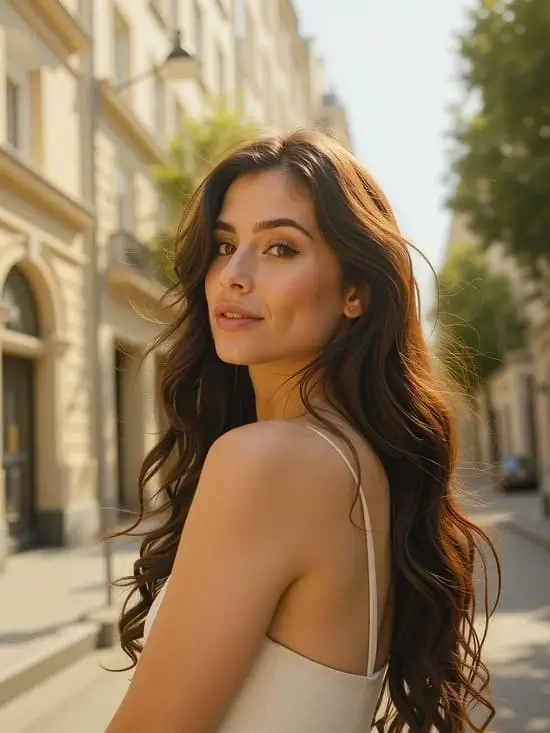
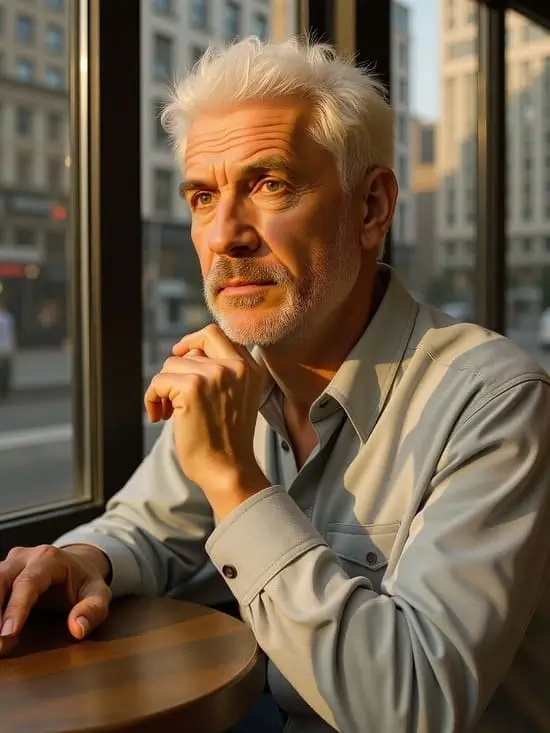
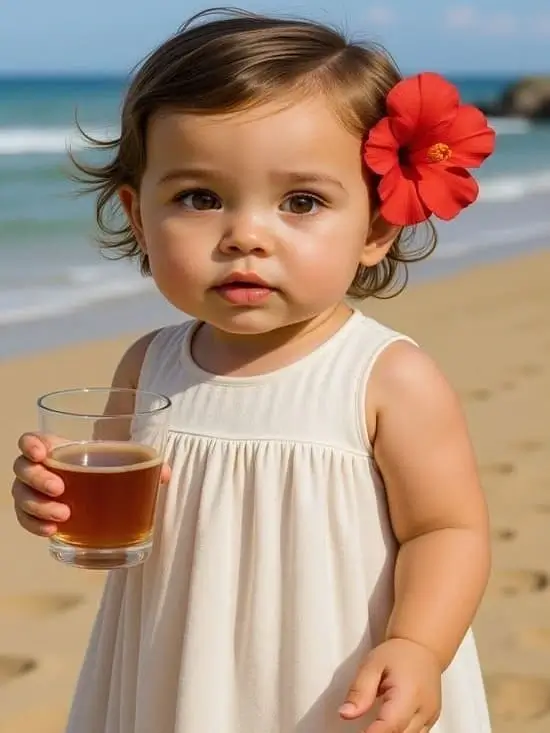
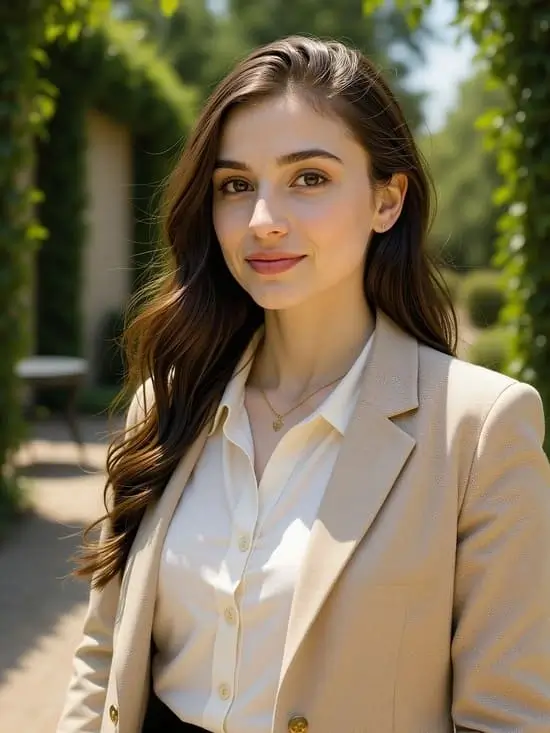
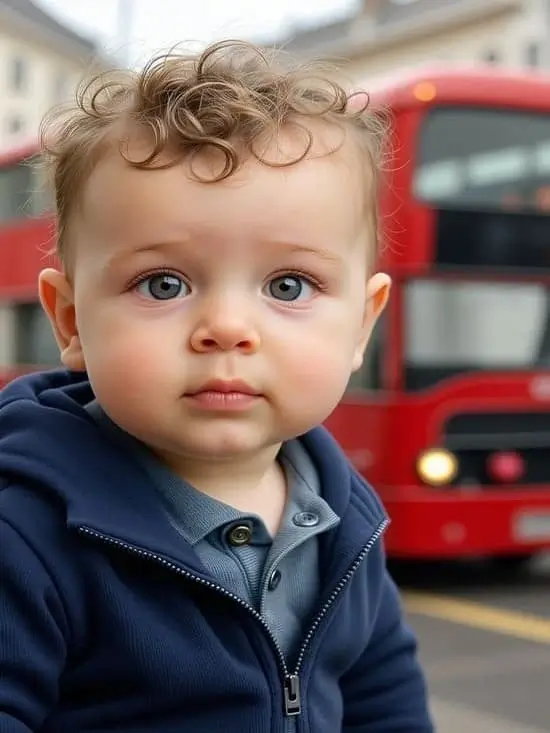
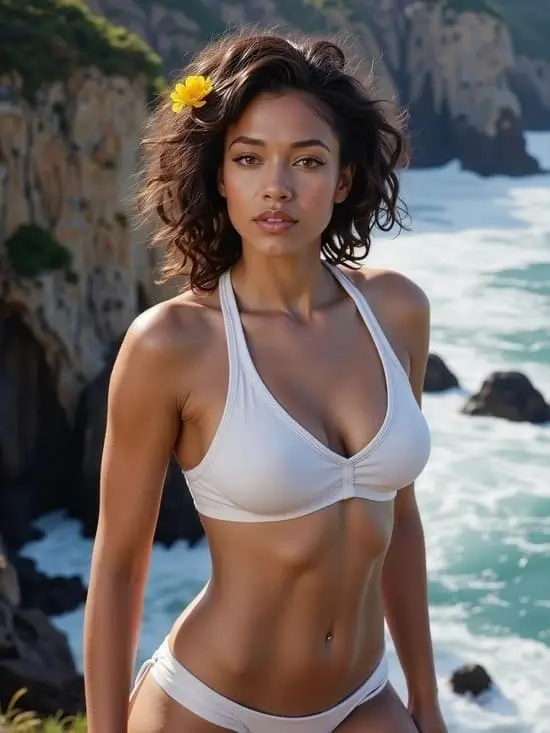
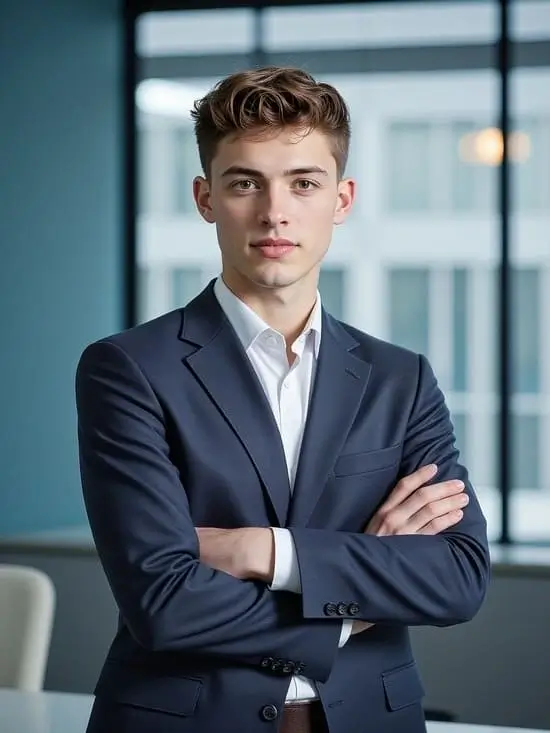
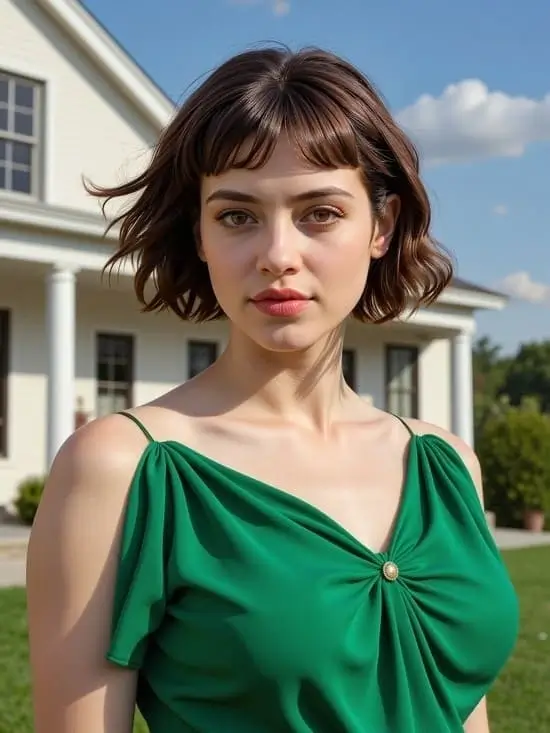
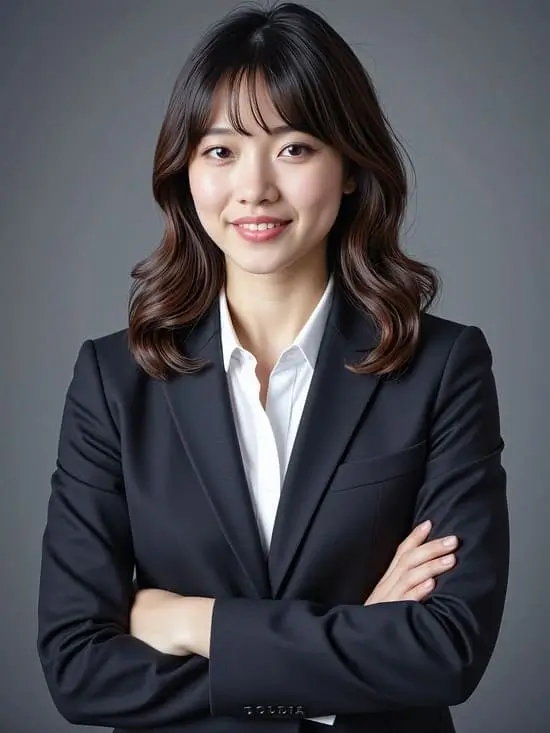
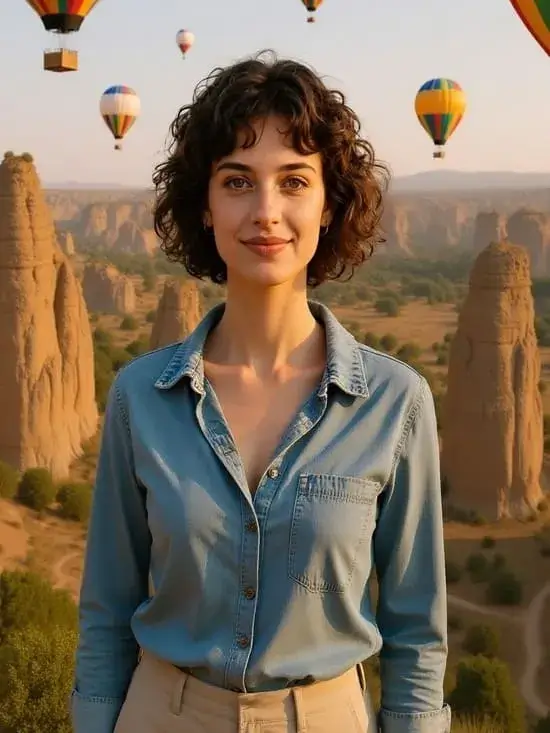
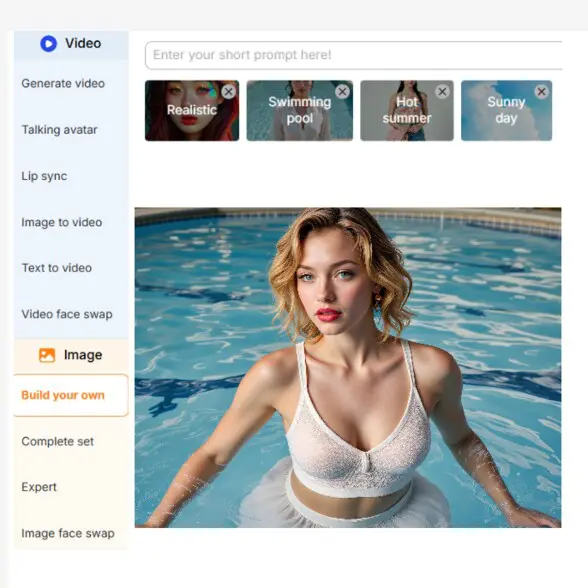
Create great faces in seconds to enable lightning-fast content creation. Conventional approaches to obtaining distinctive human faces by way of photography, drawing, or molding are generally costly and time-consuming. Our AI Face Generator sidesteps such drawbacks, providing profound variety, customized faces in virtually no time at all. Such high-speed production capability is a blessing for projects that deal with large sets of distinctive visuals or high-speed content creation cycles.
Boundless Customization and Variety
Design exactly the face you have in mind, supporting inclusivity and intent-focused visuals. AI human face generators provide users with never-before levels of control over characteristics, so you can input everything from age and ethnicity to mood and color of hair. This amount of customization allows you to create faces as close to your exact requirements as possible, whether for character creation, targeting populations within advertising, or just finding a consistent look across all of your branding. Having the ability to create multiple faces also facilitates inclusivity across your visual materials.
Cost-Effectiveness and Scalability
Access professional-quality pictures at lower prices. Hiring models, photographers, and studios could be a significant cost. Our best AI face generator provides a budget-friendly solution that eliminates such typical fees while delivering an endless supply of fresh faces. For businesses and producers who require high-volume visual assets, this scalability ensures consistent quality without the traditional overhead.
For Creators
Instead of searching for stock photos or commissioning custom art, a creator can use a generator to instantly produce a face that matches their specific vision—from a fantasy hero with specific facial features to a realistic character for a novel. The ability to control attributes like age, ethnicity, and expression allows for rapid iteration and creative exploration, saving countless hours in the ideation phase. This is particularly useful for building detailed character sheets and maintaining visual consistency for a series or a story.
For Businesses and Marketers
Companies can use AI to create a consistent, photorealistic digital model for their campaigns. This allows for rapid A/B testing of ad creative, as a brand can generate hundreds of variations of an ad with different faces, backgrounds, and expressions to see which performs best with a target audience. For example, a company can create a unified, global campaign without the logistical challenges of hiring models in every market, ensuring brand consistency while reducing production expenses.
For Researchers and Developers
The development of AI, particularly in fields like facial recognition and computer vision, requires massive datasets of human faces. However, using real-world data collected from the internet raises significant privacy and ethical concerns. AI face generators provide a solution by creating synthetic datasets that are statistically diverse but contain no personally identifiable information (PII). Researchers can generate millions of unique, artificial faces with balanced demographics to train and test their models, ensuring they are more accurate and less biased without compromising individual privacy [1].
POPULAR
Al Face Swapper
Swap your face with any character or your friends, whoever is moving or static
POPULAR
Al Influencer Generator
Design a photorealistic virtual influencer from scratch - choose every feature and sty
Al Dance Generator
Make any Al character dance to any beat. Perfect for TikTok and viral content.
Fresh Streams of Revenue
AI-generated faces are sold commercially (for ad campaigns, stock photography, virtual influencers) through licensing, as digital art pieces or NFTs, or through offering custom face generation services to clients.
Lower Production Costs
Avoids the use of costly photoshoots, models, makeup artists, and locations, substantially reducing the cost of content production.
Infinite Variety and Originality
Generate millions of one-of-a-kind faces, without using generic repetitive stock images, and have completely new, original visual content for each and every single one of your projects.
Freedom of Creativity and Fast Prototyping
Try on different looks, styles, and demographics at high speed, speeding up the character design, storytelling, and ad mock-up creative process.
Anonymity and Privacy
Enable various representations of individuals without involving individuals themselves, which can be hugely beneficial in situations where there is sensitive content, identification protection in journalism, or to establish "faceless" content channels such as YouTube or TikTok.
Standard Face Designing
Design repeat character faces in animations, video games, or virtual influencers on a standard basis to ensure consistent visual identity and appeal. Our tools offer free AI face swap generator function to support other creative activities as well.
Ethical and Legal Issues
Involvements related to deepfakes, unauthorized uses for deceptive purposes, and copyright infringement if the AI model has been trained on copyrighted content without valid licensing. Users need to employ proper purposes.
Reliance on Prompts/Parameters
Getting the exact something desired usually requires exact prompting and proper familiarity with the capability of the AI that may involve a brief learning phase for complex designs.
Q1: What is an AI Face Generator?
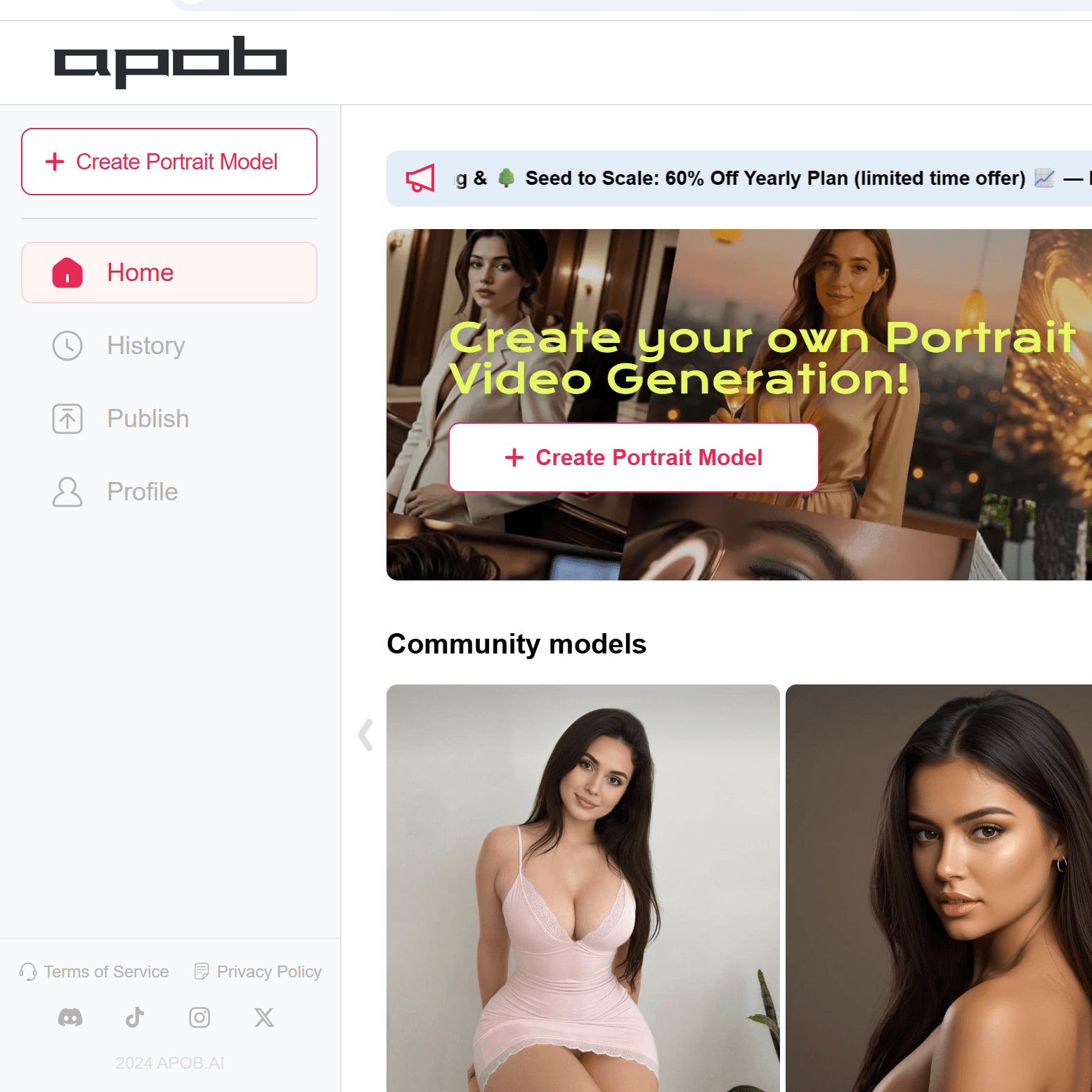
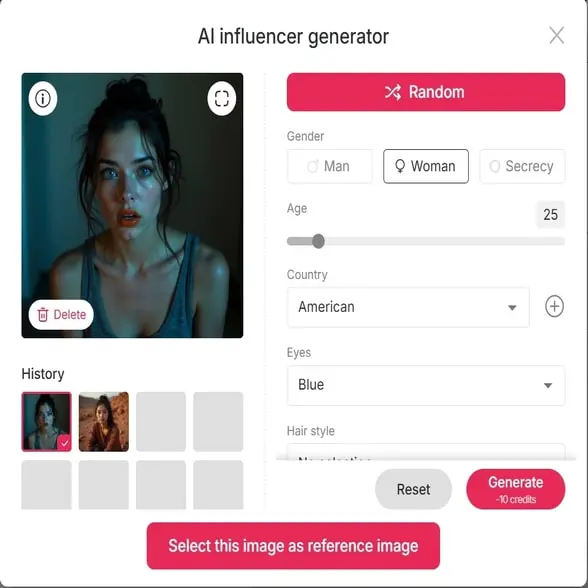
AI Face generators such as APOB AI are AI that helps you generate a face. You could use APOB AI for UGC content creation or generate photos for your social platform. To generate an AI Face in APOB AI, you could use our ‘AI Influencer Generator’ to customize an AI face.
Q2: Can I use APOB AI as an AI face generator app?
While APOB AI is primarily a web-based platform optimized for desktop and mobile browsers, its responsive design allows for a seamless experience on mobile devices, functioning much like an AI face generator app without requiring a separate download.
Q3: Are the faces generated by APOB AI truly unique?
Yes, the faces generated by APOB AI are computationally unique. With our ‘AI Influencer Generator’, you could customize your AI portraits’ appearance, gender, hair style, etc.
Q4: Can I use AI-generated faces for commercial purposes?
Absolutely. APOB AI is an AI Influencer Platform that is designed for those AI UGC creators. Faces generated on our platform are generally licensed for various business applications, including marketing, advertising, virtual influencers, and more. Always refer to APOB AI’s specific terms of service for detailed licensing information.
Q5: How realistic are the faces generated by APOB AI?
Very Realistic! We have been improving our products for a long time. Our AI product is recommended by thousands of Influencers in Ins, Tiktok, Twitter. Some of the influencers have used our AI-generated videos for content creation and monetize from influencer marketing.
Q6: Can APOB AI create an AI cartoon face generator effect?
Yes! We can! We recommend exploring the available styles within the platform. You can choose the style that you want in our ‘complete set’ function, we believe our ‘anime’ style will suit your need.
Q7: Is there an AI baby face generator free option with APOB AI?
Yes! We offer free Membership and free daily credits per day! APOB AI’s general AI face generator free tier allows for a certain number of generations daily. You can experiment with prompts to create specific age ranges.Here is a guide on how to generate ai baby face with APOB AI.
Q8: Can I generate faces from my own photos using APOB AI?
Yes! Just ‘upload your photo’ as reference when creating the AI Portrait! Our platform supports an AI face generator from photo feature. You can upload a reference image very easily!
Q9: What makes APOB AI the best AI face generator?
APOB AI strives to be the best AI face generator by offering a highly intuitive interface, extensive customization options, rapid generation times, and a commitment to producing high-quality, unique, and diverse faces. Our focus on user experience and powerful AI makes it a top choice for creators.
Q10: How to use AI baby face generator?
You could learn from this page, where you would know how to use APOB AI to generate an AI baby face. If you are creating content related to AI baby, APOB AI is your must choice. As one of the most famous AI Influencer Platforms, we provide all kinds of features that are helpful for you to generate AI Baby photos, AI baby videos, and audios.


