Introduction
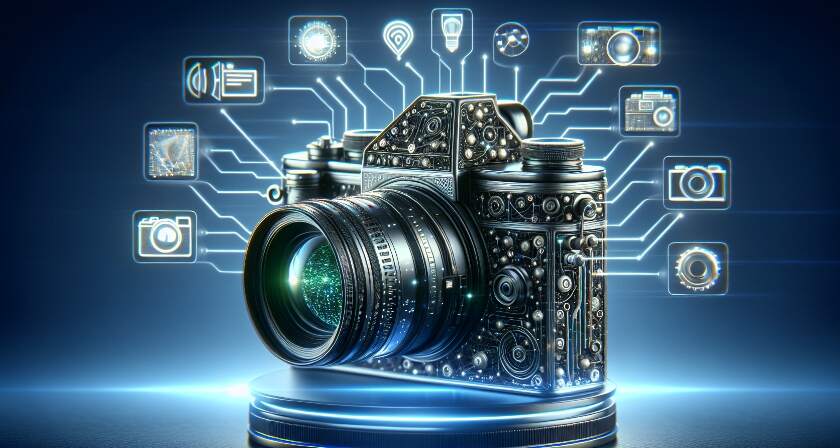
In the ever-evolving world of photography, artificial intelligence (AI) has emerged as a game-changer, transforming the way we capture, process, and interact with images. AI cameras, powered by advanced algorithms and machine learning techniques, are revolutionizing the field of photography, offering unprecedented levels of automation, optimization, and creativity. In this article, we'll dive deep into what an AI camera is, explore its key features and applications, and discover how it is reshaping the landscape of photography.
How to use APOB AI Image Generator
Step 1:
1.1 Visit apob.ai and create your account for FREE.
1.2 Once you're signed in, select "Create Portrait Model."
Step 2:
2.1 Upload an image of your choice as a reference or click on "AI Influencer Generator".
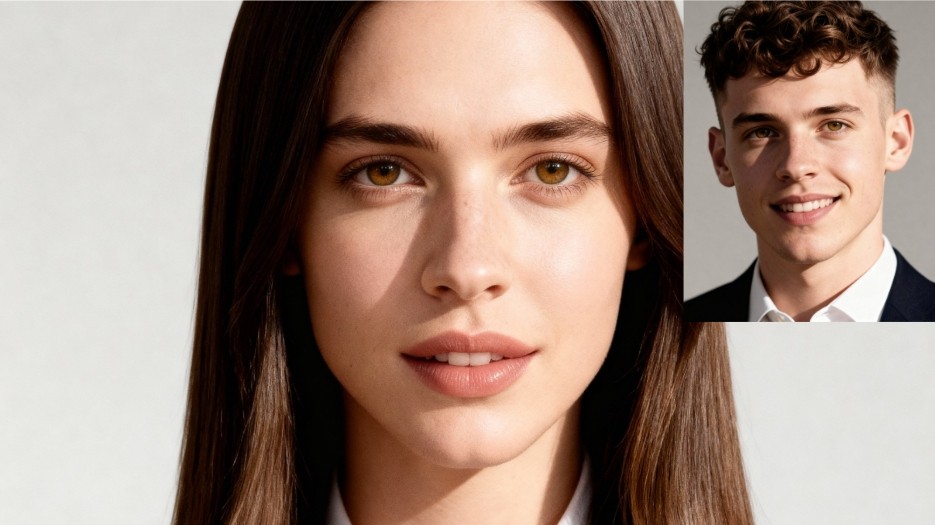
2.2 Specify a name for your AI Influencer and describe it. Click on “Generate” to AI model.
Step 3:
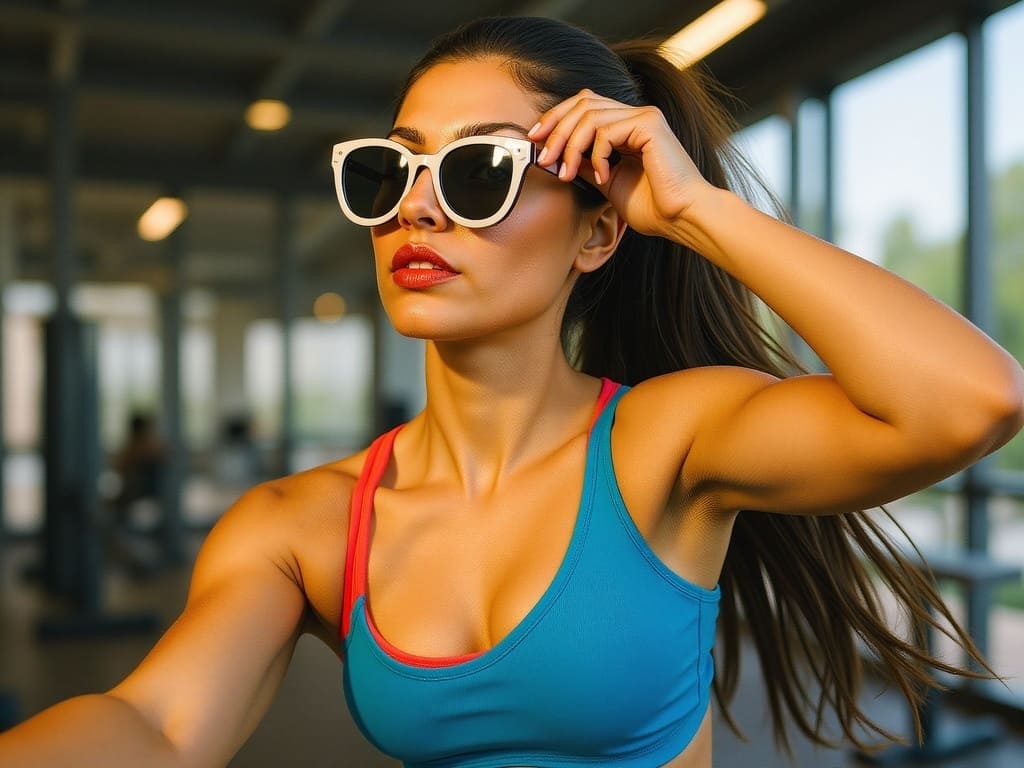
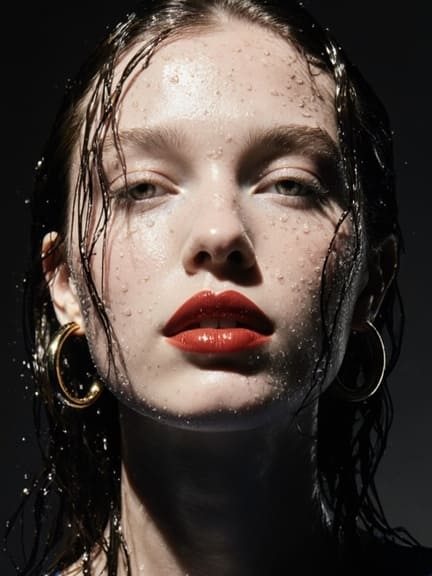
3.1 After generating your AI influencer, generate photo according to your preference.
3.2 You could even use the “image to video” and “video face swap” function to create videos.
After creating your model:
Give it a name, and with that name create an Instagram account
Create multiple images with Apob AI and post them on your account to get followers
Understanding AI in Photography
Before we delve into the specifics of AI cameras, let's first understand what artificial intelligence is and how it is applied in the field of photography. AI refers to the development of computer systems that can perform tasks that typically require human intelligence, such as visual perception, decision-making, and learning. In the context of photography, AI algorithms are trained on vast datasets of images, allowing them to recognize patterns, identify objects, and make intelligent decisions based on the visual information they process.
The integration of AI into cameras brings a host of benefits to photographers of all levels. AI-powered cameras can automatically optimize settings, enhance image quality, and offer advanced features that were once the domain of professional-grade equipment. By leveraging the power of AI, photographers can focus more on the creative aspects of their craft while letting the camera handle the technical complexities.
Key Features of AI Cameras
AI cameras are packed with a wide range of features that set them apart from traditional cameras. Let's explore some of the key capabilities that make AI cameras a game-changer in the world of photography.
Enhanced Image Processing and Optimization
AI cameras excel in image processing and optimization, thanks to their advanced algorithms and powerful hardware. These cameras can automatically analyze the scene and make intelligent adjustments to improve the overall image quality. For instance, AI cameras can enhance low-light performance by intelligently combining multiple exposures, reducing noise, and preserving details in challenging lighting conditions. Moreover, AI cameras can detect and optimize for specific scenes, such as landscapes, portraits, or action shots, ensuring that the camera settings are tailored to the subject matter. This automatic scene detection and adjustment feature allows photographers to capture stunning images with minimal manual intervention.
Advanced Autofocus Capabilities
Autofocus is a crucial aspect of photography, and AI cameras take it to the next level. With advanced face and eye detection algorithms, AI cameras can quickly and accurately focus on the subject's eyes, even in complex scenes with multiple people or moving subjects. This ensures sharp and well-focused portraits, making it easier to capture fleeting expressions and candid moments. Object tracking and recognition is another powerful feature of AI cameras. These cameras can identify and track specific objects, such as animals, vehicles, or sports players, maintaining focus on the subject even as it moves across the frame. This is particularly useful for wildlife, sports, and action photography, where keeping the subject in focus is essential.
Smart Shooting Modes and Settings
AI cameras offer a range of smart shooting modes and settings that simplify the photography process and help users capture the perfect shot. For example, some AI cameras feature an automatic selection of the best shot from a burst of images, choosing the frame with the optimal focus, exposure, and composition. This ensures that photographers never miss a critical moment due to factors like camera shake or subject movement. AI-powered portrait modes have also become increasingly popular, especially in smartphone photography. These modes use AI algorithms to simulate the shallow depth of field effect achieved with professional-grade lenses, creating stunning portraits with beautifully blurred backgrounds. The camera intelligently separates the subject from the background and applies the effect, resulting in professional-looking portraits without the need for complex equipment. Other smart features include intelligent HDR (High Dynamic Range) and panorama stitching. AI cameras can automatically merge multiple exposures to create well-balanced HDR images, preserving details in both the highlights and shadows. Similarly, AI-assisted panorama stitching ensures seamless and accurate merging of multiple images to create stunning wide-angle shots.
AI-Assisted Post-Processing
AI cameras not only excel in capturing images but also offer advanced post-processing capabilities. Many AI cameras come with built-in editing tools that use artificial intelligence to enhance and optimize the captured images. These tools can automatically adjust exposure, color balance, and contrast, as well as remove blemishes, red-eye, and other imperfections. Style transfer and creative filters are another exciting application of AI in post-processing. AI cameras can apply artistic styles to images, mimicking the look of famous painters or specific photographic techniques. This allows photographers to explore their creativity and experiment with different styles without the need for complex editing software. Facial recognition and tagging is another useful feature of AI cameras, particularly for organizing and searching large photo collections. AI algorithms can identify and tag individuals in photos, making it easy to find specific people or group photos based on who appears in them.
Applications of AI Cameras
AI cameras have a wide range of applications across various domains of photography. Let's explore how AI is revolutionizing professional photography, smartphone photography, and surveillance and security cameras.
Professional Photography
AI cameras are transforming the world of professional photography by offering advanced features and automation that streamline the workflow and enhance the creative process. In studio and event photography, AI cameras can automatically optimize lighting, adjust settings based on the scene, and assist with post-processing tasks, allowing photographers to focus on capturing the perfect moment. Landscape and wildlife photography can also benefit from AI cameras. With intelligent scene detection, AI cameras can automatically adjust settings for optimal exposure and color rendition, ensuring stunning images of natural wonders. Object tracking and recognition features are particularly useful for wildlife photography, enabling photographers to keep fast-moving animals in focus and capture sharp, detailed shots. Sports and action photography is another area where AI cameras excel. With advanced autofocus capabilities and intelligent tracking, AI cameras can keep up with fast-paced action, ensuring that critical moments are captured with precision and clarity. AI-assisted post-processing can also help in quickly sorting and selecting the best shots from a large number of images captured during a sporting event.
Smartphone Photography
AI cameras have revolutionized smartphone photography, bringing professional-grade features and quality to the palm of our hands. Smartphone manufacturers have been at the forefront of integrating AI technologies into their camera systems, pushing the boundaries of what is possible with compact devices. AI algorithms have greatly improved the quality of smartphone cameras, enabling them to capture stunning images in challenging lighting conditions, such as low light or high contrast scenes. Advanced computational photography techniques, such as multi-frame processing and pixel binning, allow smartphones to produce images that rival those taken with dedicated cameras. Moreover, AI cameras in smartphones have made advanced features like portrait mode, night mode, and intelligent scene detection accessible to a wide range of users. With just a tap on the screen, smartphone users can capture professional-looking photos, thanks to the power of AI.
Surveillance and Security Cameras
AI cameras are not limited to traditional photography; they are also transforming the realm of surveillance and security. AI-powered security cameras offer advanced features that go beyond simple motion detection and recording. Intelligent motion detection and alerting is one of the key applications of AI in security cameras. These cameras can differentiate between normal and suspicious activities, reducing false alarms and providing more accurate alerts. They can also identify and track specific objects or individuals, making it easier to monitor and secure premises. Facial recognition is another powerful feature of AI security cameras. These cameras can identify and match faces against a database of known individuals, such as employees or suspected criminals. This technology can be used for access control, suspect identification, and crowd analysis in various settings, from offices and retail stores to public spaces and airports.
Examples of AI Cameras in the Market
As the demand for AI-powered photography grows, numerous companies have introduced AI cameras to the market. Let's take a look at some notable examples across different categories.
Smartphones with AI Cameras
Apple, Google, and Huawei are among the leading smartphone manufacturers that have integrated AI capabilities into their camera systems. The iPhone's Deep Fusion and Night mode use AI algorithms to capture stunning images in low light and high contrast situations. Google's Pixel phones are known for their exceptional Night Sight and Portrait mode, which leverage AI to produce professional-grade results. Huawei's smartphones also boast a range of AI-powered camera features, such as scene recognition and real-time image optimization.
Dedicated AI-Powered Cameras
Several camera manufacturers have introduced dedicated AI-powered cameras that offer advanced features and automation. Sony's latest cameras feature AI-based autofocus and subject recognition, ensuring accurate and fast focusing in various shooting scenarios. Canon has implemented AI-powered image stabilization in some of its cameras, enabling sharper images and smoother video footage. Nikon's cameras also incorporate AI-enhanced scene detection, automatically optimizing settings based on the subject matter.
AI-Powered Security Cameras
In the realm of security cameras, AI has found numerous applications. The Nest Cam IQ is a popular choice, offering facial recognition and intelligent alerts based on specific activities. The Arlo Pro 3 is another notable AI-powered security camera, with smart detection capabilities that can distinguish between people, animals, and vehicles. Hikvision, a leading provider of surveillance solutions, offers cameras with AI-based behavior analysis, allowing for the detection of suspicious activities and crowd monitoring.
The Future of AI in Photography
As AI continues to advance, we can expect even more exciting developments in the world of photography. Researchers and engineers are working on improving AI algorithms and hardware, pushing the boundaries of what is possible with AI cameras.
In the future, we may see AI cameras that can automatically compose shots, suggesting optimal framing and perspective based on the scene. Advanced AI algorithms could also enable cameras to understand and interpret the emotions and intentions of subjects, capturing not just the visual information but also the underlying story and context.
AI-powered post-processing is another area where we can expect significant advancements. Cameras may come with even more sophisticated editing tools that can automatically retouch and enhance images, saving photographers hours of manual work. Style transfer and creative filters may also become more realistic and diverse, allowing photographers to experiment with a wide range of artistic styles.
The impact of AI on the photography industry and professionals is also worth considering. While AI cameras can automate many technical aspects of photography, they cannot replace the creativity, vision, and storytelling skills of human photographers. Instead, AI can serve as a powerful tool in the hands of photographers, enabling them to focus on the artistic side of their craft while the camera handles the technical complexities.
Conclusion
AI cameras are revolutionizing the world of photography, offering advanced features, automation, and optimization that were once the domain of professional-grade equipment. By leveraging the power of artificial intelligence, these cameras are making it easier for photographers of all levels to capture stunning images and express their creativity.
As we have explored throughout this article, AI cameras come with a wide range of capabilities, from enhanced image processing and advanced autofocus to smart shooting modes and AI-assisted post-processing. These features are transforming various domains of photography, including professional photography, smartphone photography, and surveillance and security cameras.
As AI technology continues to evolve, we can expect even more exciting developments in the field of photography. While AI cannot replace the human touch and artistic vision of photographers, it can serve as a powerful tool to augment their skills and streamline their workflow.
So, whether you are a professional photographer looking to take your craft to the next level, a smartphone user eager to capture stunning images, or someone interested in the latest advancements in AI and photography, embracing AI camera technology is a step towards the future of visual storytelling.
FAQs about ai camera
Q1: What is the difference between an AI camera and a traditional camera?
A1: AI cameras are equipped with advanced algorithms and machine learning capabilities that enable them to automatically optimize settings, enhance image quality, and offer features like face detection, object tracking, and scene recognition. Traditional cameras rely on the photographer's manual settings and post-processing skills to achieve similar results.
Q2: Do I need technical knowledge to use an AI camera?
A2: AI cameras are designed to be user-friendly and accessible to photographers of all levels. While some technical knowledge can be helpful, AI cameras often come with automated modes and intuitive interfaces that make it easy for beginners to capture great photos without extensive technical expertise.
Q3: Can AI cameras replace professional photographers?
A3: AI cameras can automate many technical aspects of photography and help photographers capture high-quality images more easily. However, they cannot replace the creativity, composition skills, and artistic vision of professional photographers. AI cameras serve as a tool to enhance and complement the skills of photographers rather than replace them entirely.
Q4: How do AI cameras handle privacy concerns, especially in the case of facial recognition?
A4: Privacy is an important consideration with AI cameras, particularly those equipped with facial recognition capabilities. Camera manufacturers and developers must adhere to strict privacy regulations and provide clear guidelines on how facial recognition data is collected, stored, and used. Many AI cameras offer features like blurring or masking faces to protect individual privacy. It is essential for users to familiarize themselves with the privacy policies of their AI camera and use the technology responsibly.
Q5: Are AI cameras more expensive than traditional cameras?
A5: The cost of AI cameras can vary depending on the brand, model, and features offered. While some AI cameras, particularly those in high-end smartphones or professional-grade equipment, may come with a higher price tag, there are also affordable options available in the market. As AI technology becomes more widespread, we can expect to see AI cameras at various price points, making them accessible to a wider range of users.
For those interested in exploring the creative possibilities of AI in photography, we highly recommend checking out Apob AI (https://apobai.com/). Apob AI is an innovative AI-powered portrait producer that uses advanced algorithms to create stunning, one-of-a-kind portraits. With Apob AI, you can transform your photos into artistic masterpieces, featuring unique styles and effects generated by artificial intelligence.
Whether you are a professional photographer looking to add a creative touch to your portfolio, or an enthusiast eager to experiment with AI-generated art, Apob AI offers a user-friendly and accessible platform to unleash your creativity. Simply upload your photo, choose from a variety of artistic styles, and let Apob AI work its magic. The result is a stunning, personalized portrait that showcases the power of AI in visual arts.
To learn more about Apob AI and try it out for yourself, visit their website at https://apobai.com/. Embrace the future of AI-powered creativity and discover a new way to express yourself through photography and art.

Be the first to like this.

No credit card needed


