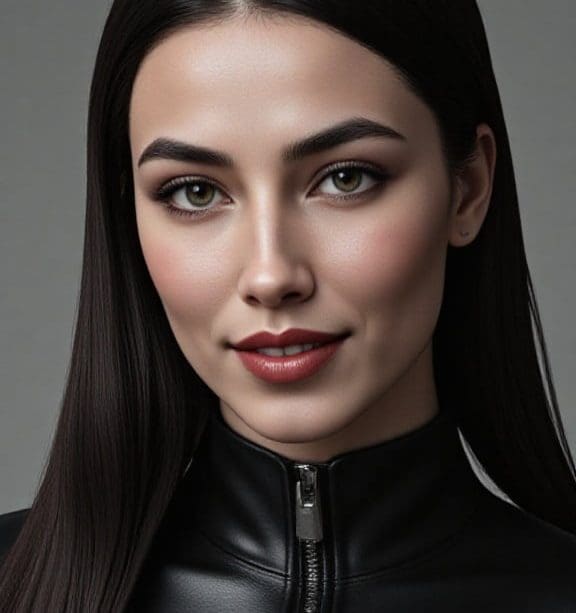
AI influencers are reshaping social media, digital marketing, and online monetization in 2026. These virtual personalities are created with AI influencer generators and can appear in photos, videos, talking avatar clips, product promotions, and UGC-style ads. From fashion campaigns to entertainment and ecommerce, AI influencers offer brands a consistent, controllable, and scalable way to create content. In this guide, discover five of the most talked-about AI influencers, learn how to create your own with APOB AI Influencer Generator, and explore how a consistent virtual influencer can help you build a digital brand and make money from home.
Try APOB AI Influencer Generator For Free
Introduction
The rise of AI influencers has changed how brands, creators, and entrepreneurs connect with audiences online. Unlike human influencers, AI influencers are fully virtual, but they can still build recognizable identities, publish social media content, promote products, and appear in brand campaigns.
Created with advanced AI influencer generators such as APOB AI, these digital personalities are no longer limited to static images. A modern virtual influencer generator should help users create consistent AI influencer photos, videos, talking avatar content, UGC-style ads, and platform-ready posts for TikTok, Instagram, YouTube Shorts, Reels, and ecommerce campaigns.
In this article, we’ll explore the most influential AI personalities, why brands use them, and how you can create your own AI influencer with APOB AI.
Why AI Influencers Are Popular in 2026
AI influencers are becoming more popular because they solve several problems that traditional influencer campaigns often face.
Reliability and Consistency: AI influencers can stay visually consistent across photos, videos, product ads, and social posts. They do not miss deadlines, change schedules, or appear off-brand without direction.
Cost-Effectiveness: Brands can reduce spending on shoots, travel, talent fees, styling, and repeated production by creating reusable virtual influencer content.
Versatility: A virtual influencer can be customized for fashion, fitness, beauty, gaming, tech, ecommerce, lifestyle, or entertainment. With APOB AI, creators can define the face, style, outfit, personality, and brand tone.
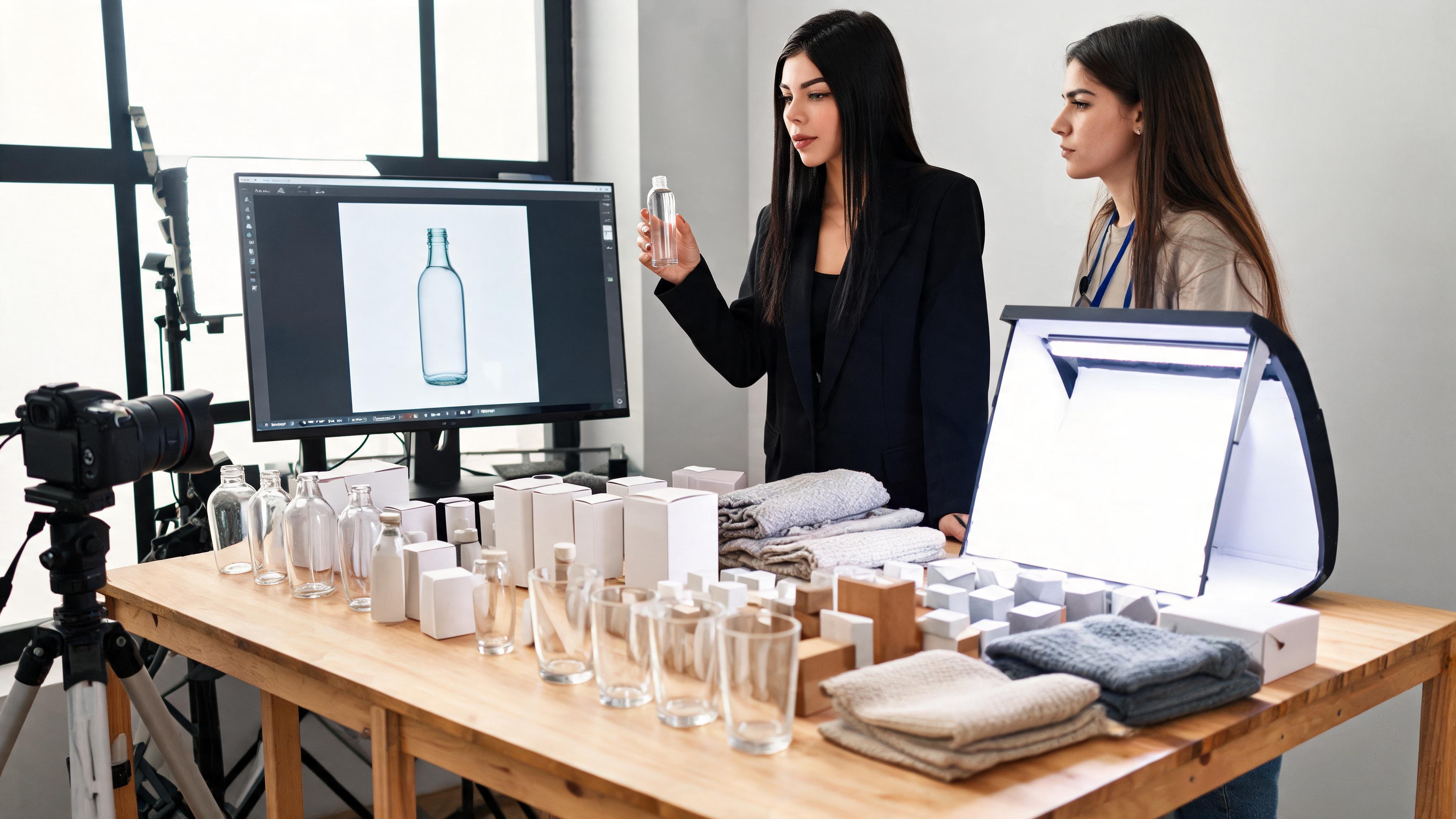
Photo and Video Creation: Modern AI influencer generators are not just avatar makers. They help create influencer images, talking videos, product demos, short-form clips, and UGC-style AI influencer ads.
Global Reach: AI influencers can support multilingual content, multiple platforms, and different audience segments without needing separate creators for every region.
Innovation in Marketing: AI influencers allow brands to test virtual try-ons, product promotions, digital ambassadors, creator-style ads, and always-on social campaigns.
Top 5 Most Talked-About AI Influencers
Lil Miquela remains one of the most recognizable virtual influencers. She helped introduce the idea that a fictional digital persona could build an audience, collaborate with brands, release music, and operate like a real creator. Her success shows how storytelling and personality can turn a virtual character into a cultural asset.
Shudu Gram is widely known as one of the first digital supermodels. Her lifelike appearance and luxury fashion positioning made her an important figure in virtual modeling. She represents the high-fashion side of AI influencer marketing, where visual quality and brand image matter deeply.
Aitana Lopez, often described as Spain’s first AI model, is one of the strongest examples of how a virtual influencer can become a business asset. With her pink-haired identity, fashion and fitness content, and reported brand collaboration income, Aitana shows why more creators are searching for an AI influencer generator to create a consistent digital persona.
FN Meka became a high-profile example of how virtual influencers can enter music and entertainment. His story also shows the importance of brand safety, audience trust, and ethical storytelling. AI influencers can be powerful, but creators must build them with transparency, cultural awareness, and a clear content strategy.
Imma is a Japanese virtual influencer known for her art, culture, fashion, and technology presence. Her distinct visual style and niche positioning show how AI influencers can connect with audiences beyond traditional beauty or lifestyle content.
How to Create Your Own AI Influencer Using an AI Influencer Generator
Creating an AI influencer is easier than before, especially with a tool like APOB AI. The key is not just making a beautiful avatar. The goal is to create a consistent AI influencer who can appear across photos, videos, product campaigns, and social content.
Choose a Niche: Decide whether your AI influencer will focus on fashion, beauty, fitness, gaming, tech, travel, lifestyle, ecommerce, or product reviews.
Create a Base Identity: Build or upload a reference character, then define facial features, hairstyle, outfit style, age range, visual mood, and brand personality.
Customize the Persona: Give your virtual influencer a tone, interests, backstory, content style, and audience. A strong AI influencer should feel like a recognizable character, not a random image.
Generate Photos and Videos: Use APOB AI to create AI influencer photos, talking avatar videos, product demos, UGC-style ads, and short-form social content.
Publish Across Platforms: Share your AI influencer content on Instagram, TikTok, YouTube Shorts, Reels, X/Twitter, ecommerce pages, or paid social campaigns.
Monetize Your AI Influencer: Use your virtual influencer for affiliate marketing, sponsored posts, UGC ad packages, digital products, ecommerce promotions, or brand ambassador campaigns.
The Role of AI Influencers in Making Money from Home
AI influencers offer creators and businesses several ways to generate income online.
Content Creation: AI influencers can produce consistent images, videos, reels, and short-form clips for social platforms.
Affiliate Marketing: A virtual influencer can promote products and earn commissions through affiliate links.
UGC-Style Ads: Brands can use AI influencers to create creator-style product demos, testimonials, and paid social ads.
Virtual Brand Ambassadors: A consistent AI influencer can represent a brand across campaigns without requiring repeated shoots.
Digital Products: Creators can sell presets, templates, guides, exclusive content, or digital experiences built around their AI persona.
Ecommerce Promotion: AI influencers can appear in product photos, demo videos, launch campaigns, and social proof content.
With APOB AI, users can create and monetize a virtual influencer without technical skills, studio equipment, or a production team.
The Future of AI Influencers
AI influencer generators are becoming more advanced, especially in character consistency, video generation, lip-sync, motion control, and social content workflows. The future of AI influencer marketing will not only be about creating beautiful virtual faces. It will be about building reusable digital personas that can appear in photos, videos, live-style content, UGC ads, and product campaigns.
However, brands must also focus on transparency and audience trust. AI influencers should be clearly positioned, ethically used, and designed with a real content strategy. The best results come from combining creative storytelling with consistent visuals and responsible disclosure.
FAQs
Q1: What is an AI influencer?
A1: An AI influencer is a virtual personality created with artificial intelligence. It can have a realistic face, unique style, fictional identity, and social media presence for photos, videos, brand campaigns, and product promotions.
Q2: Can AI influencers make money?
A2: Yes. AI influencers can earn through brand collaborations, affiliate marketing, sponsored posts, UGC-style ads, ecommerce product demos, digital products, and subscription content.
Q3: What makes APOB AI stand out?
A3: APOB AI is more than a basic avatar maker. It helps creators build a consistent AI influencer for photos, videos, talking avatar content, product promotions, and social media campaigns.
Q4: Are AI influencers replacing human influencers?
A4: AI influencers are not replacing all human creators. They offer a different option for brands that need consistency, scalability, lower production costs, and controlled digital personas.
AI influencers have become a serious part of social media and digital marketing. From Lil Miquela and Shudu to Aitana Lopez and Imma, virtual personalities show how a well-designed digital persona can attract attention, support brand campaigns, and create monetization opportunities.
For creators, ecommerce brands, agencies, and entrepreneurs, the opportunity is clear: you can use an AI influencer generator to build a virtual influencer with a consistent face, style, and personality, then use that persona across photos, videos, UGC-style ads, product promotions, and social content.
With APOB AI Influencer Generator, you can create your own AI influencer, publish content faster, and turn a digital persona into a scalable online brand.

Be the first to like this.






No credit card needed


