Image to Video AI Creates Unforgettable Experiences
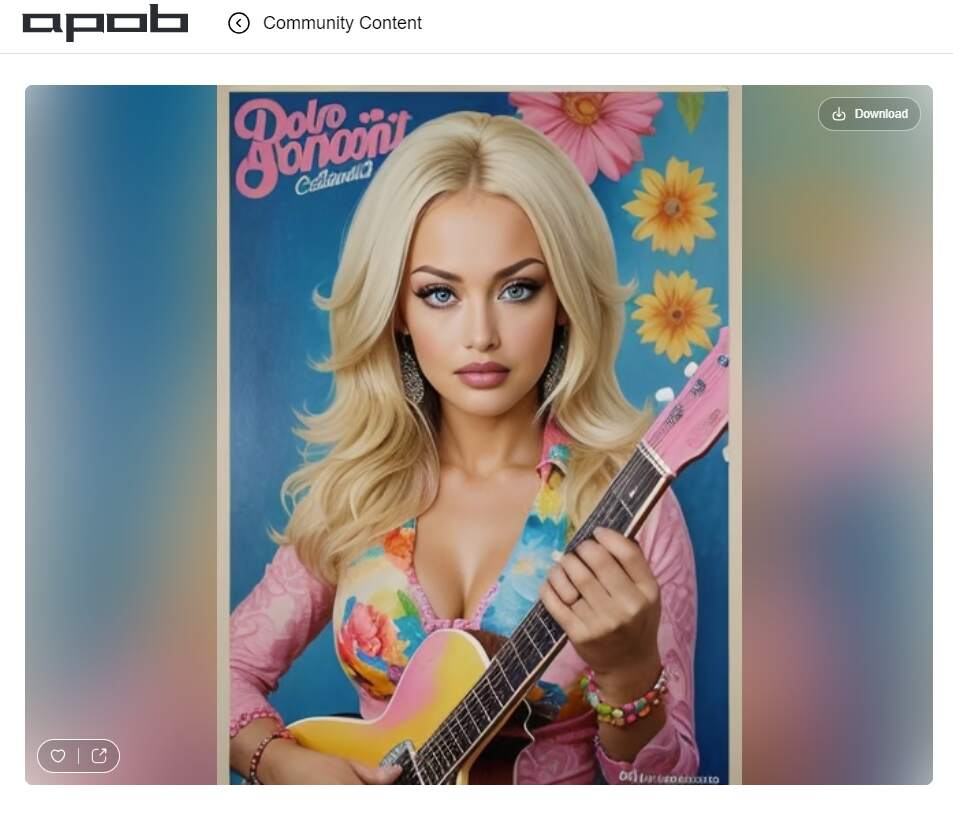
Try APOB AI Video Generator FOR FREE
Introduction
In today's fast-paced digital landscape, video content has emerged as a powerful tool for engaging audiences and driving marketing success. As businesses and creators strive to capture attention and leave a lasting impact, image to video AI has revolutionized the way we create and consume visual content. This innovative technology bridges the gap between static images and dynamic videos, empowering users to craft immersive, unforgettable experiences that captivate viewers and drive results.
The Evolution of Visual Content: From Static Images to Dynamic Videos
For years, static images have been a staple of digital content, used to convey messages, showcase products, and tell stories. However, as audience preferences and expectations evolve, the limitations of static images have become increasingly apparent. In a world where attention spans are short and competition for eyeballs is fierce, static images often struggle to engage and retain viewers.
Enter video content. With its ability to combine visuals, sound, and motion, video has quickly become the preferred format for consuming information and entertainment online. From social media posts to product demos, video content has proven to be more effective at capturing attention, evoking emotions, and driving engagement than static images alone.
But creating high-quality video content can be time-consuming, resource-intensive, and technically challenging. This is where image to video AI comes in, offering a revolutionary solution that bridges the gap between static and dynamic visual content.
How Image to Video AI Works: A Behind-the-Scenes Look
Image to video AI is powered by advanced algorithms and machine learning models that can analyze and understand the content of static images. These intelligent systems can identify objects, scenes, and even emotions within an image, and use that information to create dynamic video sequences that bring the image to life.
The process of converting a static image into a captivating video typically involves several key steps. First, the AI system analyzes the image to identify its key components, such as people, objects, and backgrounds. Next, the system uses this information to generate a sequence of frames that create the illusion of motion and depth. This may involve adding subtle animations, camera movements, or visual effects to enhance the overall impact of the video.
Finally, the AI system optimizes the video for various platforms and devices, ensuring that it looks and performs its best across a range of screen sizes and resolutions. The result is a stunning, engaging video that captures the essence of the original image while adding a new dimension of storytelling and interactivity.
Benefits of Leveraging Image to Video AI for Your Content Strategy
The benefits of incorporating image to video AI into your content strategy are numerous and far-reaching. By leveraging this powerful technology, businesses and creators can:
Increase audience engagement and retention: Video content has been shown to generate higher levels of engagement and retention than static images. By converting your images into captivating videos, you can hold your audience's attention for longer and create a more memorable experience.
Boost conversion rates and ROI: Engaging video content can also lead to higher conversion rates and a better return on investment for your marketing efforts. By using image to video AI to showcase your products, services, or brand story in a more compelling way, you can drive more clicks, sign-ups, and sales.
Enhance brand storytelling and messaging: Video is an incredibly effective medium for storytelling and conveying complex ideas or emotions. With image to video AI, you can transform your static brand assets into powerful video narratives that resonate with your target audience and communicate your key messages more effectively.
Gain a competitive advantage: As more businesses and creators adopt image to video AI, those who fail to embrace this technology risk falling behind. By incorporating AI-powered video creation into your content strategy, you can stay ahead of the curve and differentiate yourself from competitors who rely solely on static visuals.
Real-World Applications of Image to Video AI
The potential applications of image to video AI are vast and diverse, spanning a wide range of industries and use cases. Let's explore a few real-world examples to illustrate the power and versatility of this technology:
Lululemon, a popular athletic apparel company, used image to video AI to create dynamic product videos for their e-commerce website. They converted static product images into engaging videos that showcased the fit, movement, and features of their clothing. As a result, they saw a 15% increase in product page conversion rates and a 10% reduction in product returns.
Peter McKinnon, a well-known photography and videography influencer, leveraged image to video AI to create compelling Instagram Reels and TikTok content. By transforming his stunning photography into short, eye-catching video clips, he grew his TikTok following by 25% in just three months and attracted new brand sponsorships from companies like Adobe and Peak Design.
Coursera, a leading online learning platform, used image to video AI to generate engaging course previews and promo videos. They converted static course images and instructor headshots into dynamic video teasers that highlighted the key topics, learning objectives, and unique value propositions of each course. This resulted in a 20% increase in course enrollments and a 12% improvement in student engagement metrics.
These examples demonstrate the tangible impact that image to video AI can have on a variety of business goals and metrics, from driving e-commerce sales and social media growth to enhancing online education and customer engagement.
Best Practices for Implementing Image to Video AI in Your Content Workflow
To get the most out of image to video AI, it's important to follow some key best practices and guidelines. Here are some tips to keep in mind:
Choose the right AI tool for your needs: Not all image to video AI platforms are created equal. When selecting a tool, consider factors like ease of use, customization options, output quality, and integration with your existing content workflow.
Optimize your static images for video conversion: To ensure the best possible results, start with high-quality, well-composed images that lend themselves well to video conversion. Avoid images that are too cluttered, blurry, or low-resolution.
Craft compelling narratives and scripts: While image to video AI can create visually stunning videos, the real magic happens when you pair those visuals with a compelling narrative or script. Take the time to develop a clear, engaging story that complements and enhances the visual elements of your video.
Integrate AI seamlessly into your content creation process: To maximize efficiency and consistency, look for ways to integrate image to video AI into your existing content creation workflows. This may involve developing templates, guidelines, or automation tools that streamline the process and ensure a cohesive output.
Introducing APOB AI:
Your All-in-One Solution for AI-Powered Video Generation
If you're ready to harness the power of image to video AI for your own content strategy, look no further than APOB AI. As a leading provider of AI-powered video generation solutions, APOB AI offers a comprehensive suite of tools and features designed to help businesses and creators bring their visual content to life.
One of the standout features of APOB AI is its seamless integration of image to video AI with a full range of video generation capabilities. With APOB AI, you can not only convert your static images into captivating videos but also create fully AI-generated videos from scratch using text prompts, templates, and customizable elements.
This all-in-one approach to AI video creation makes APOB AI the perfect solution for businesses and creators looking to streamline their content workflows and create high-quality, engaging videos at scale. Whether you're a marketer looking to promote your products, an influencer looking to grow your following, or an educator looking to create more effective learning materials, APOB AI has the tools and features you need to succeed.
Try APOB AI's Image to Video and AI Video Generation for Free
To help you experience the power of AI video creation firsthand, APOB AI offers a free trial of its image to video and AI video generation services. With this trial, you can explore the platform's user-friendly interface, experiment with different templates and customization options, and create your own stunning AI-powered videos in just a few clicks.
The Future of Image to Video AI: Trends and Predictions
As image to video AI continues to evolve and mature, we can expect to see even more exciting developments and applications in the years to come. Some of the key trends and predictions shaping the future of this technology include:
Advancements in AI and machine learning algorithms that enable even more realistic and sophisticated video outputs from static images.
The integration of image to video AI with other emerging technologies like virtual reality, augmented reality, and interactive video, creating new opportunities for immersive and engaging content experiences.
The rise of user-generated content powered by image to video AI, as more consumers and creators gain access to easy-to-use tools and platforms for converting their own photos and images into stunning videos.
The increasing adoption of image to video AI across a wide range of industries and use cases, from e-commerce and digital marketing to education, entertainment, and beyond.
As these trends continue to unfold, tools like APOB AI will play a critical role in democratizing access to AI video creation and empowering businesses and creators to stay ahead of the curve.
Conclusion
Image to video AI represents a major milestone in the evolution of visual content creation. By enabling users to transform static images into captivating, dynamic videos with ease, this technology is unlocking new possibilities for engagement, storytelling, and creative expression.
As we've seen through real-world examples and case studies, businesses and creators who embrace image to video AI are already reaping significant rewards in terms of increased engagement, conversions, and growth. And with the rapid advancements in AI and machine learning, the potential applications and benefits of this technology are only set to expand.
If you're looking to stay ahead of the curve and harness the power of AI-powered video creation for your own content strategy, APOB AI is the perfect place to start. With its user-friendly interface, comprehensive feature set, and seamless integration of image to video AI and full video generation capabilities, APOB AI is the ultimate all-in-one solution for businesses and creators looking to create unforgettable video experiences.
So why wait? Sign up for APOB AI's free trial today and start exploring the limitless potential of AI-powered video creation for yourself. With APOB AI, you'll have everything you need to take your visual content to the next level and captivate your audience like never before.
FAQs
Q1: What types of images work best for image to video AI conversion?
A1: High-quality, well-composed images with clear subjects and minimal clutter tend to work best for image to video AI conversion. The AI algorithms can more easily identify and animate the key elements of the image, resulting in more engaging and effective video outputs.
Q2: How long does it take to convert an image to a video using AI?
A2: The time required to convert an image to a video using AI can vary depending on the complexity of the image, the desired length and style of the video output, and the specific AI tool or platform being used. However, with tools like APOB AI, the process is generally quite fast and efficient, with most conversions taking just a few minutes from start to finish.
Q3: Can I customize the video output generated by image to video AI?
A3: Yes, most image to video AI tools, including APOB AI, offer a range of customization options to help you fine-tune the video output to your specific needs and preferences. This may include options for adjusting the length, style, and format of the video, adding music, captions, or branding elements, and more.
Q4: How much does image to video AI typically cost?
A4: The cost of image to video AI can vary widely depending on the specific tool or platform, the features and capabilities included, and the pricing model (e.g., subscription-based, pay-per-use, etc.). Some tools offer free trials or limited free plans, while others require a paid subscription or one-time fee.
Q5: Can I use the videos generated by image to video AI for commercial purposes?
A5: In most cases, yes, you can use the videos generated by image to video AI for commercial purposes, such as advertising, marketing, and sales. However, it's important to carefully review the terms of service and licensing agreements of the specific AI tool or platform you're using to ensure compliance with any usage restrictions or requirements.

Be the first to like this.






No credit card needed


