We've all seen them while scrolling through TikTok or Reels—a vintage painting suddenly belting out a pop anthem, or the classic "It's free real estate" meme perfectly lip-syncing to a trending audio track. Static images just don't cut it anymore if you want to stop the scroll and drive engagement.
The good news? You no longer need a degree in video effects or days of keyframing to pull this off. Advanced AI tools can now analyze a 2D image, map the facial landmarks, and generate dynamic face animations that match your audio file flawlessly. Whether you are building a faceless channel, creating viral memes, or looking for a fast way to generate engaging marketing content, learning how to make a photo sing is an absolute game-changer.
The Tool: Why Creators Are Shifting to APOB AI
While app stores are flooded with basic filters that claim to animate still images, most leave you with weirdly distorted faces, out-of-sync audio, or massive watermarks.
APOB AI takes a different approach. It’s built as a professional-grade content creation engine, utilizing advanced diffusion models to ensure the generated lip-syncing animation actually looks natural. It accurately captures micro-expressions and syncs the mouth shape (visemes) directly to the phonemes in your audio track. Best of all, it offers a robust free tier, making high-fidelity AI portrait animation accessible to anyone.
Step-by-Step: Turn Your Photos into Singing Videos
Creating a singing portrait with APOB AI is incredibly straightforward. Here is how to go from a static JPEG to a viral-ready video in minutes:
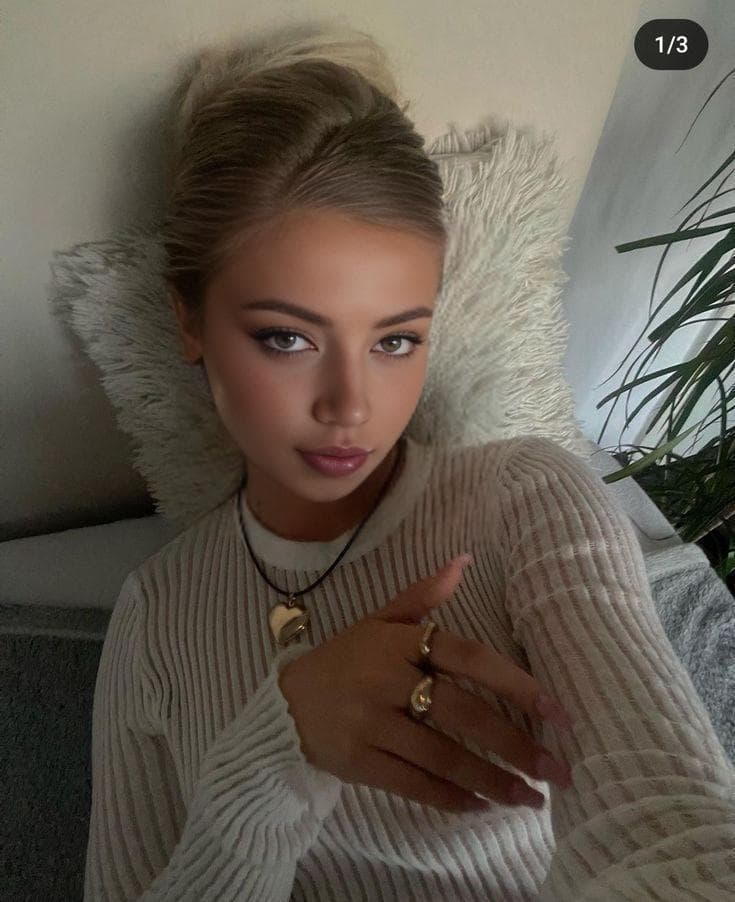
Prep Your Image: Start with a clear, well-lit portrait. The subject should be facing the camera directly. Avoid photos with heavy shadows across the face or objects covering the mouth.
Access the Dashboard: Log into the APOB AI web platform and navigate to the "Talking Avatar" or image-to-video workspace.
Upload Your Assets: Drag and drop your chosen image. Next, upload your audio file. This can be a song, a voiceover, a podcast clip, or a funny soundbite.
Tweak the Settings: Depending on the specific toolset you are using within APOB, you might have options to adjust the camera movement (like adding a subtle zoom or handheld effect to make it look less static).
Generate and Export: Hit generate. The AI will process the facial mapping and render the video. Once done, export it in high resolution, ready to be uploaded to your social platforms.
Pro-Tips for Hyper-Realistic Face Animation
If you want to trick the eye and get the absolute best results from AI lip-syncing, keep these best practices in mind:
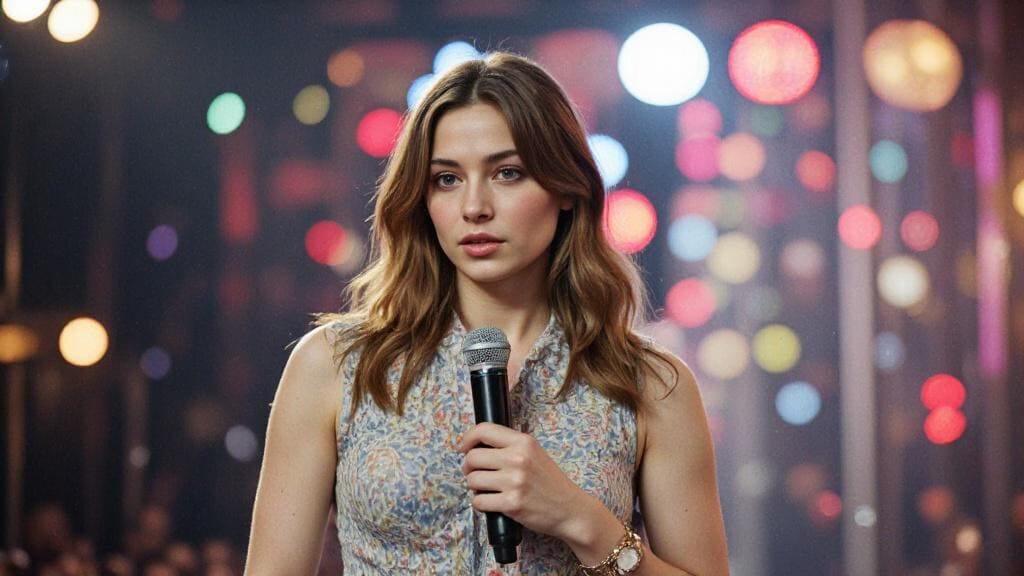
Start with a Closed Mouth: The AI has a much easier time generating a realistic open-and-close singing motion if the original photo features a neutral expression with a closed mouth. Teeth showing in the base photo can sometimes confuse the mapping algorithm.
Prioritize High-Quality Audio: The AI relies on the audio waveforms to animate the lips. Muffled audio, heavy background noise, or multiple people singing at once will result in a messy, out-of-sync animation. Use crisp, isolated vocals whenever possible.
Mind the Aspect Ratio: Think about where this video is going. If it's for TikTok or Shorts, crop your base image to a 9:16 vertical format before you run it through the AI.
How APOB AI Compares to the Alternatives
When deciding how to animate your assets, you generally have three routes. Here is how they stack up:
Feature | APOB AI | Basic Mobile Apps | Manual VFX (After Effects) |
Learning Curve | Very Low | Low | Extremely High |
Animation Realism | High (Maps micro-expressions) | Low (Often just distorts the mouth) | High (Depends on animator skill) |
Speed | Under 5 minutes | Under 2 minutes | Days to weeks |
Best For | Social media creators, marketers, memes | Quick personal texts, casual fun | Big-budget commercial studios |
FAQs About AI Photo Animation
Can I use these singing videos for commercial purposes?
Yes, but it depends on your subscription tier and the rights to the original image and audio. While APOB AI allows you to generate the video, ensure you have the commercial rights to the song or voiceover you upload to avoid copyright strikes on platforms like YouTube.
What image formats work best?
Standard high-resolution JPGs and PNGs work perfectly. Ensure the file isn't heavily compressed, as pixelation around the mouth and eyes will degrade the final animation quality.
Does it only work on human faces?
While optimized for human facial landmarks, advanced engines like APOB AI can often animate 3D characters, realistic paintings, and sometimes even stylized cartoons, provided the facial structure (eyes, nose, mouth) is clearly defined.

Be the first to like this.






No credit card needed


