
Introduction
DeepAI, a popular AI-powered image and video generation platform, has gained attention for its versatility and user-friendly interface. However, for those interested in AI tools and products, it's worth exploring other alternatives that offer unique features and capabilities. In this article, we'll dive into some of the top alternatives to DeepAI, providing insights for those involved in AI research and development or simply curious about the latest advancements in AI image and video generation.
APOB AI:Create your unique AI envison for Free
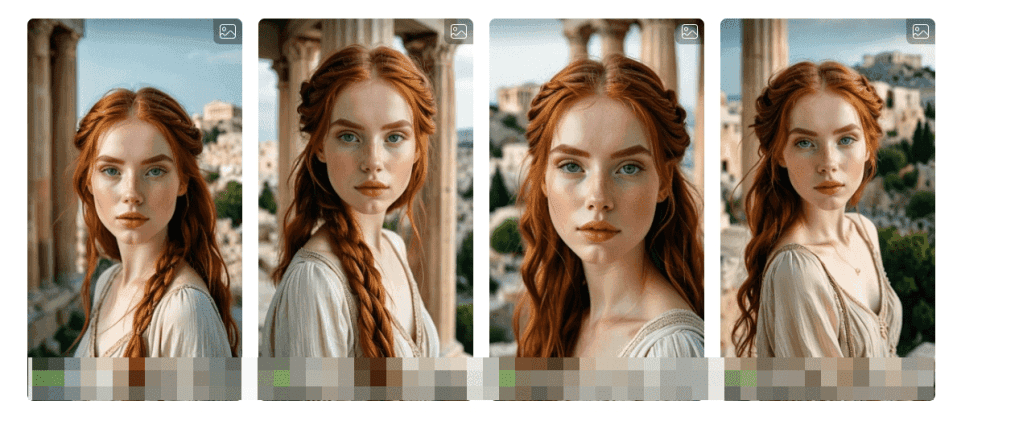
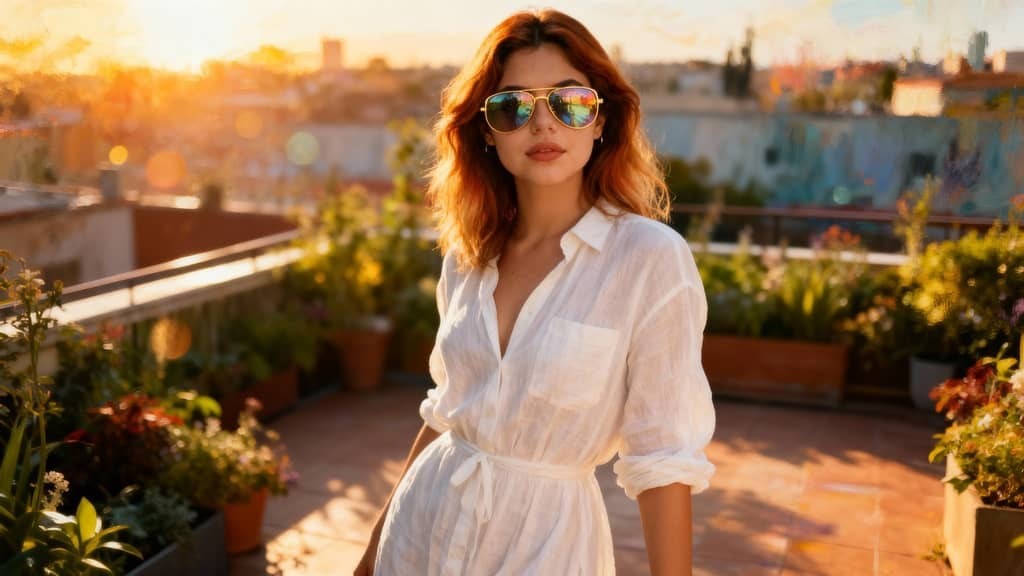
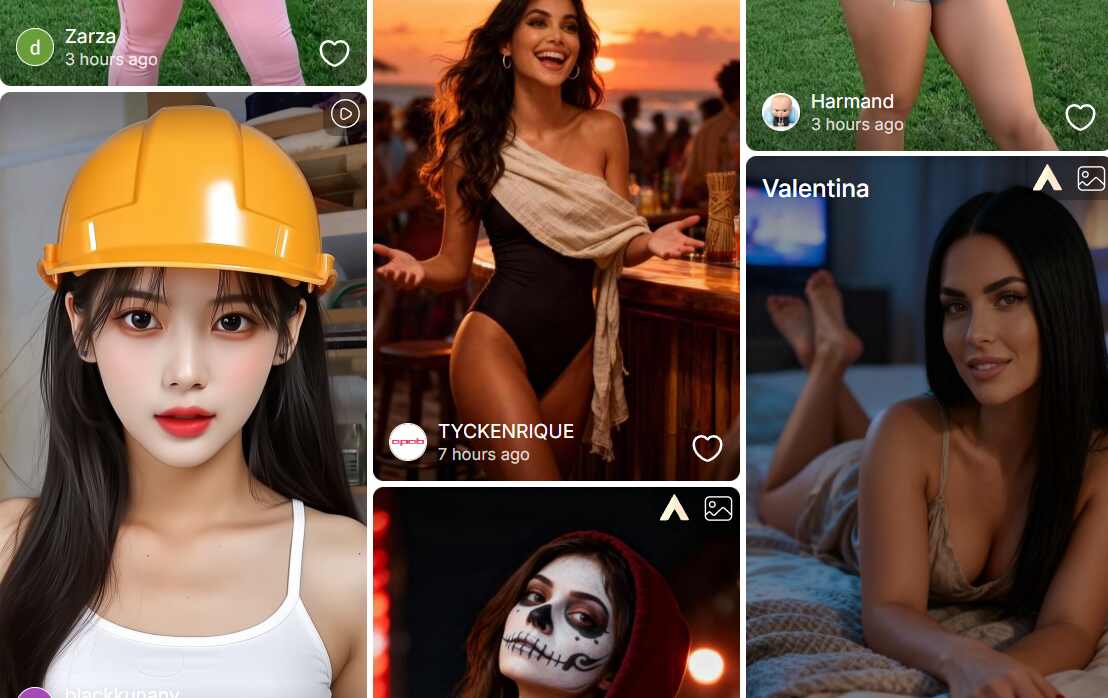
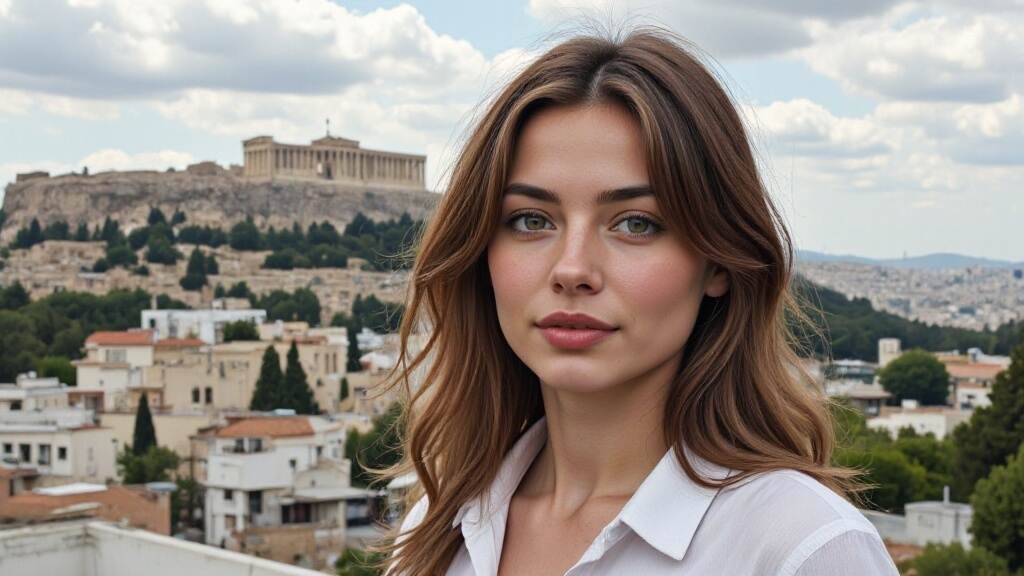
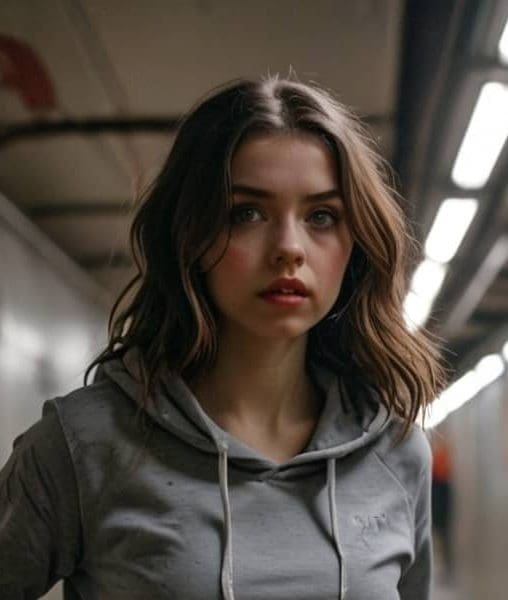
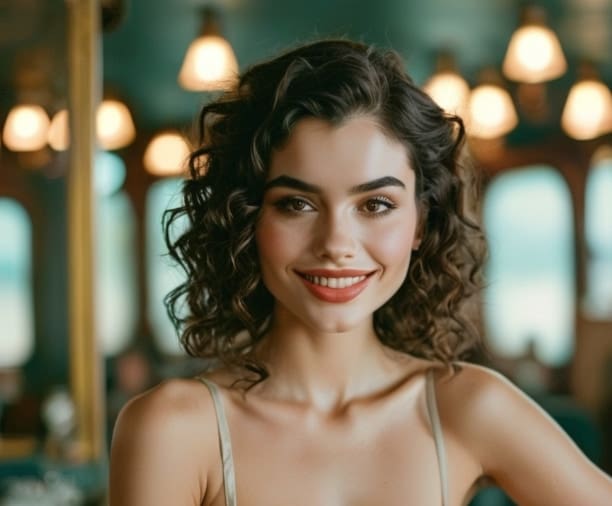
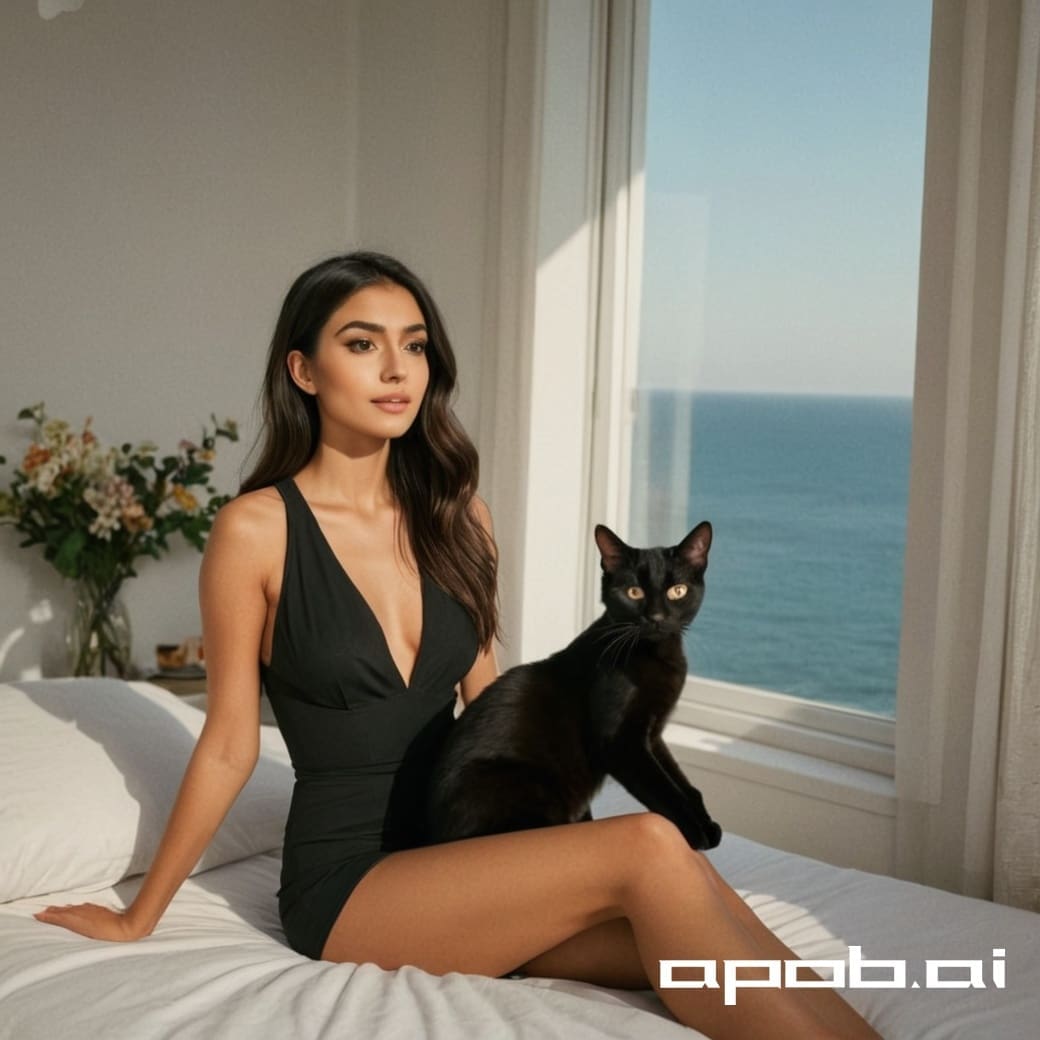
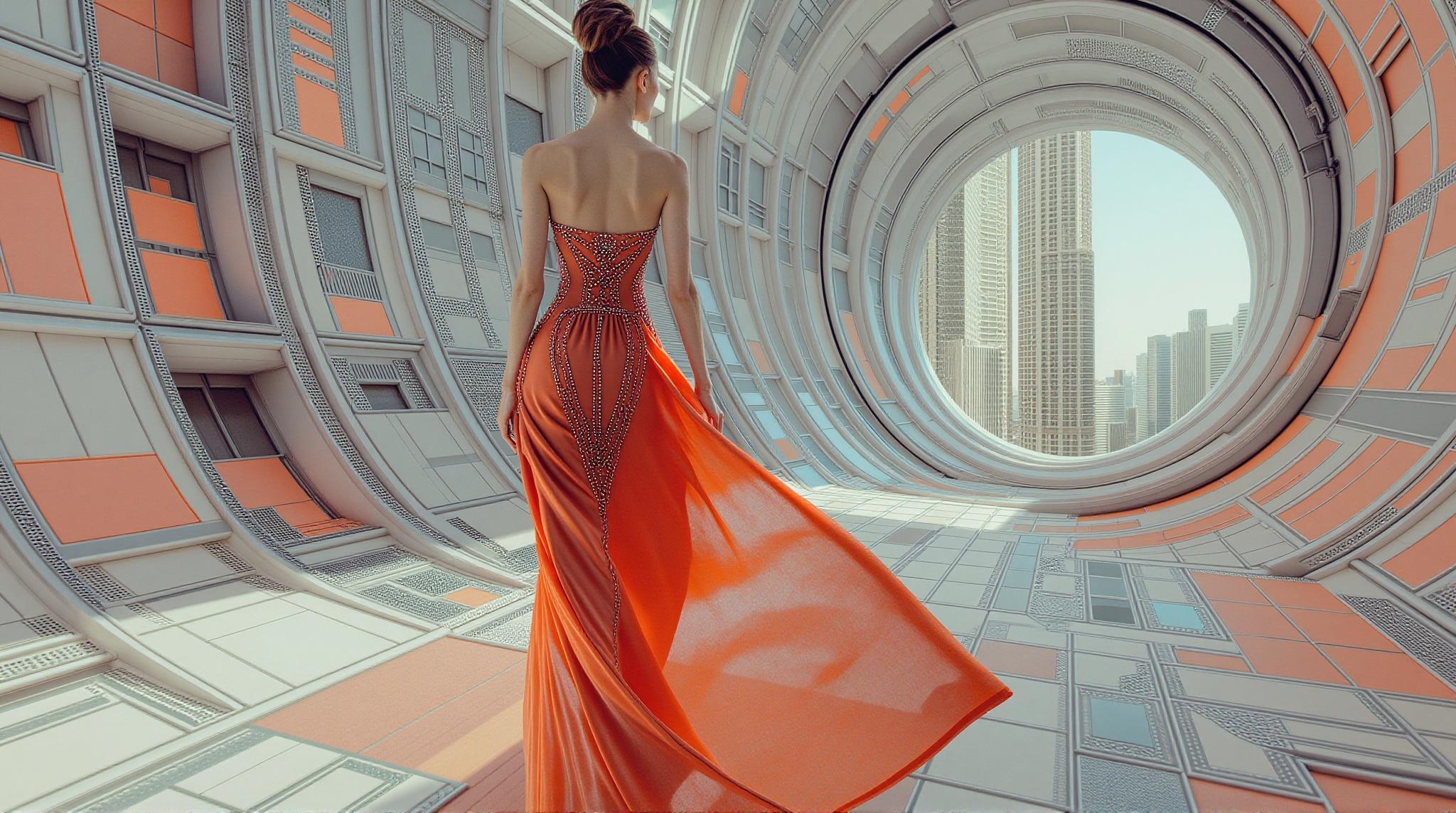
Another promising AI image and portrait generator is Apob AI. This web-based platform allows users to create stunning, realistic images and portraits using advanced artificial intelligence algorithms. With Apob AI, you can generate a wide variety of styles, from photorealistic to cartoonish or even abstract. The user-friendly interface makes it easy to input your desired parameters, such as facial features, clothing, and background, and the AI will generate a unique image based on your specifications. Apob AI also offers a range of customization options, allowing you to fine-tune your creations until they're perfect. Whether you're an artist looking for inspiration, a game developer in need of character designs, or simply curious about the capabilities of AI image generation, Apob AI is definitely worth exploring.
Use APOB AI to create your unique envision
DALL-E: The Future of AI Image Generation
Developed by OpenAI, DALL-E is a highly advanced AI system that has taken the world of AI image generation by storm. Although not yet available for public use, DALL-E has showcased remarkable abilities in creating images from complex textual descriptions. Its potential for generating unique and innovative visual content has caught the attention of researchers and developers alike.
Strengths:
Cutting-edge AI algorithms for generating highly detailed images
Ability to understand and create images from intricate textual input
Potential to revolutionize various industries with its innovative capabilities
Weaknesses:
Currently limited to research and experimental purposes
Requires advanced technical knowledge to operate
Not yet accessible for widespread public use
Artbreeder: Collaborative AI Image Creation
Transitioning from the research-focused DALL-E, Artbreeder presents a more user-friendly alternative to DeepAI. This web-based platform allows users to create and edit images collaboratively, harnessing the power of AI while encouraging human input and creativity.
Strengths:
Intuitive interface for easy image creation and editing
Collaborative features for remixing and building upon shared creations
Extensive library of AI-generated images for inspiration
Weaknesses:
Limited video generation capabilities compared to DeepAI
Some advanced features may require a paid subscription
Generated image quality may depend on user input and selection
RunwayML: The Professional's Choice
For those seeking a more advanced alternative to DeepAI, RunwayML offers a comprehensive suite of AI-powered tools for image and video generation. With its extensive customization options and integration with popular creative software, RunwayML caters to professionals and advanced users in the AI research and development field.
Strengths:
Comprehensive set of AI-powered tools for image and video generation
Advanced customization and control over generated content
Seamless integration with industry-standard creative software
Weaknesses:
Steeper learning curve compared to user-friendly platforms like DeepAI
Higher cost and subscription-based pricing model
May require advanced technical knowledge and hardware requirements
GauGAN: Bringing Imagination to Life
Developed by NVIDIA, GauGAN is an AI-powered tool that transforms simple sketches into realistic landscape images. By leveraging deep learning models trained on millions of real-world images, GauGAN brings imagination to life, making it an intriguing alternative to DeepAI for those interested in AI tools and products.
Strengths:
User-friendly interface for creating stunning landscape images
Realistic and customizable output based on user sketches
Potential applications in gaming, film, and other creative industries
Weaknesses:
Limited to generating landscape images rather than diverse content
Requires some artistic skill to create effective sketches
Generated images may lack the uniqueness of human-designed artwork
DeepDream Generator: Surreal and Psychedelic Visuals
For those seeking an alternative to DeepAI that specializes in creating surreal and psychedelic visuals, DeepDream Generator is worth exploring. This web-based platform applies deep learning techniques to transform images into mesmerizing, abstract artwork.
Strengths:
User-friendly interface for generating unique and eye-catching images
Wide range of customization options and artistic styles
Ability to upload and transform personal photos and images
Weaknesses:
Focus on abstract and surreal artwork rather than realistic images
Consistency and quality of generated images may vary
Some advanced features and higher-resolution outputs require a subscription
Conclusio
While DeepAI remains a popular choice for AI image and video generation, exploring alternatives can open up new possibilities and cater to specific needs. From the cutting-edge research of DALL-E to the user-friendly collaboration of Artbreeder, each alternative offers unique strengths and weaknesses. By understanding these alternatives, those interested in AI tools, products, and research can make informed decisions when selecting a platform for their projects.
As you explore the world of AI image and video generation, don't forget to check out APOB AI, an AI-powered portrait generator. With its advanced algorithms and user-friendly interface, APOB AI can help you create stunning, realistic portraits effortlessly, making it a valuable addition to your AI toolkit.
FAQs
Q1: What factors should I consider when choosing an AI image and video generation platform?
A1: When selecting a platform, consider your level of technical expertise, the specific types of content you want to create, your budget, and any required features or integrations. Take advantage of free trials and demos to test different platforms and find the best fit for your needs.
Q2: Can I use the generated content from these platforms for commercial purposes?
A2: The terms of use and licensing agreements vary between platforms. Some allow commercial use with few restrictions, while others may require attribution, limit commercial applications, or charge additional fees. Carefully review the terms of service for any platform you choose to use.
Q3: What are the hardware and software requirements for using these AI platforms?
A3: Hardware and software requirements vary depending on the platform and the complexity of the tasks. Most web-based platforms can be used with a standard computer and internet browser, while more advanced software may require specialized hardware, such as a powerful GPU or dedicated machine learning workstation.
Q4: How can I learn to use these AI image and video generation platforms effectively?
A4: Most platforms offer tutorials, documentation, and user guides to help you get started and learn the basics. Experiment with different settings and options to find what works best for your projects, and seek out additional resources and support from online communities and forums dedicated to AI tools and research.

Be the first to like this.









No credit card needed


