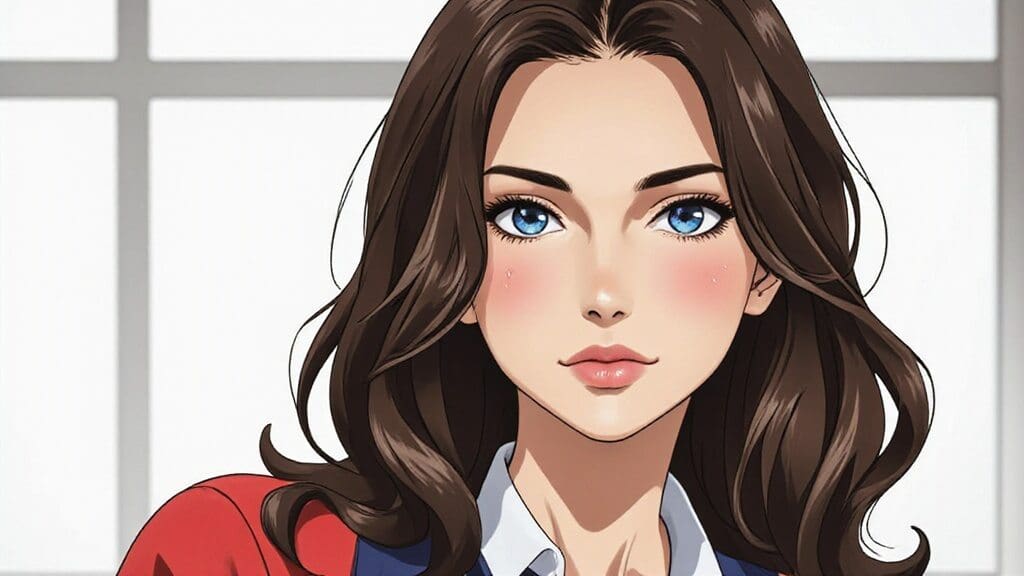
Japanese-style drawings cover more than one look. Some people mean anime portraits, some mean manga line art, and others want a soft ukiyo-e inspired landscape with waves, clouds, and quiet color. AI can help with all of these, but the prompt has to name the style clearly. "Japanese drawing" is too broad. A better prompt gives the subject, the art tradition, the mood, and the details you want to keep.
Create Japanese Art with AI: Practical Steps
Step 1: Choose the Style First
Start by deciding whether you want anime, manga, ukiyo-e, watercolor, ink wash, cyberpunk anime, or a modern illustration style. These are different visual languages. If you do not choose one, the AI will usually blend them into something generic.
Step 2: Describe the Subject
Write the subject in concrete terms: a girl under a red umbrella, a samurai walking through snow, a shrine at sunset, a fox mask on a wooden table, or a city street with paper lanterns. Concrete subjects give the model something to build around.
Step 3: Add Composition and Color
Add composition words such as portrait, full body, wide landscape, close-up, symmetrical, or cinematic angle. Then add color: muted ink tones, pastel anime palette, deep indigo night, warm lantern light, or flat ukiyo-e colors.
Prompt Examples for Japanese-Style Drawings
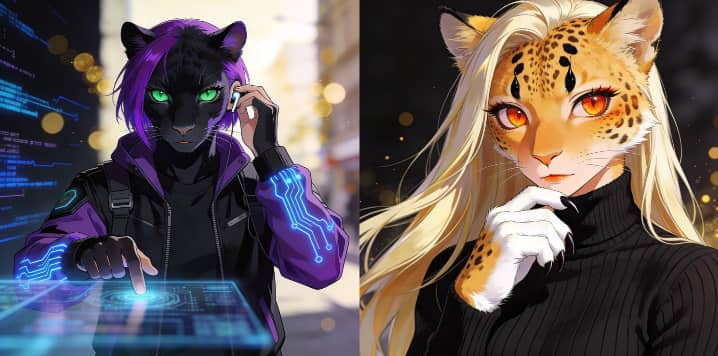
Anime portrait: "anime girl wearing a navy school uniform, soft sunset light, cherry blossoms in the background, expressive eyes, clean line art, detailed hair."
Manga panel: "black and white manga panel of a detective in a rainy Tokyo alley, strong shadows, speed lines, dramatic expression."
Ukiyo-e inspired landscape: "Japanese woodblock print style landscape, Mount Fuji in the distance, rolling ocean waves, flat colors, fine line texture, traditional composition."
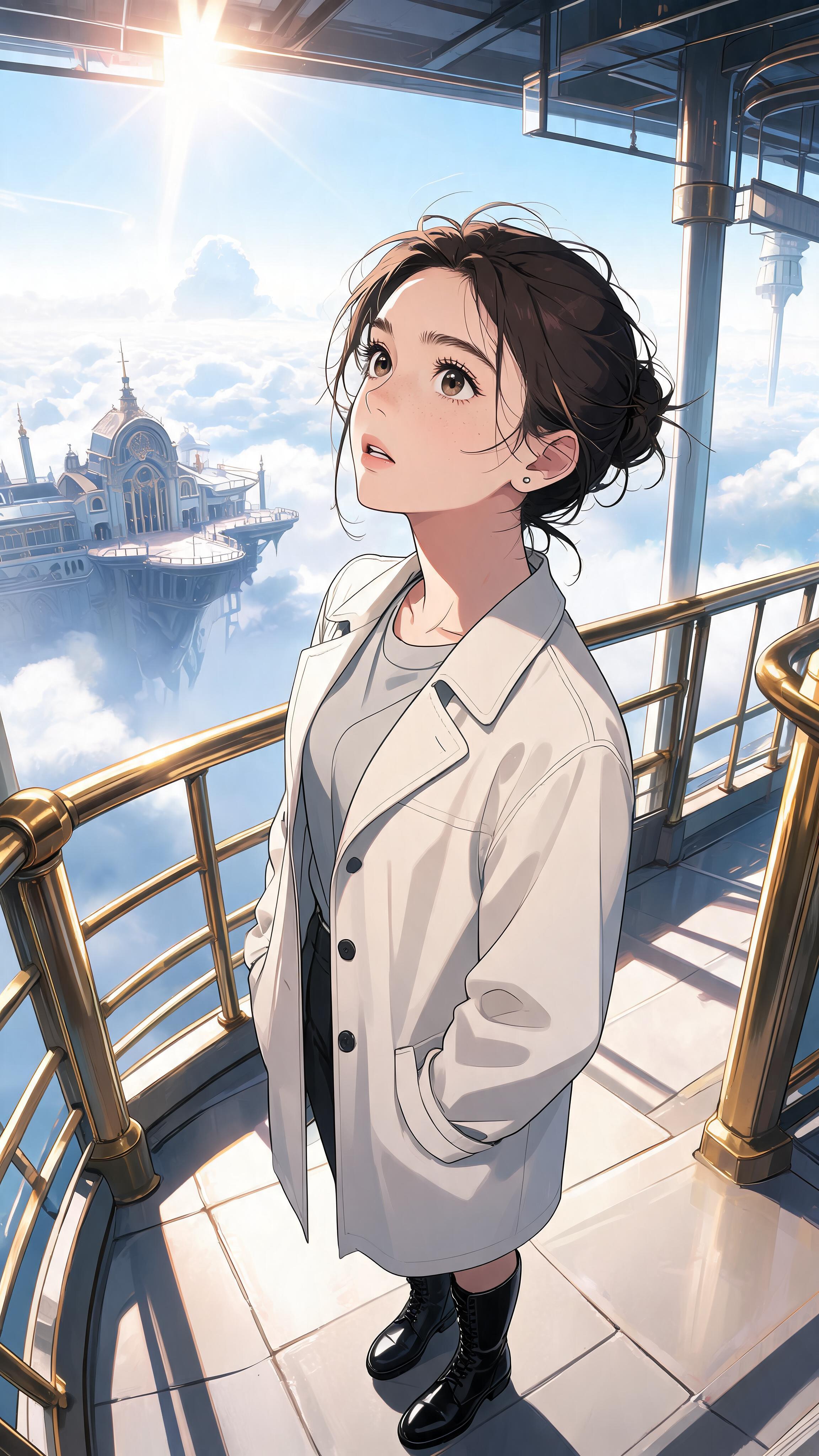
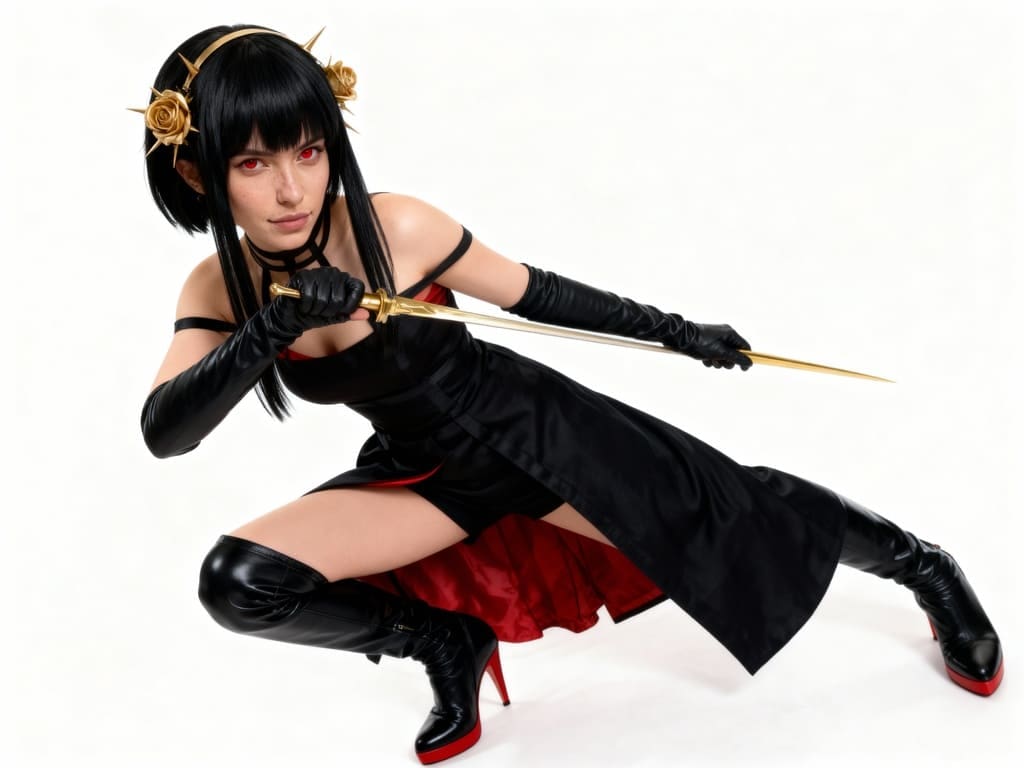
Modern Japanese fantasy: "young swordswoman at a mountain shrine, red torii gates, misty forest, cinematic anime style, detailed clothing, soft blue morning light."
What Is Japanese Drawing Called?
There is no single name for all Japanese drawing. Manga usually refers to Japanese comics and sequential art. Anime refers to animation style, though many people use it when describing still images. Ukiyo-e refers to a historical woodblock print tradition. If you want accurate AI results, use the more specific word.
Where AI Helps Most
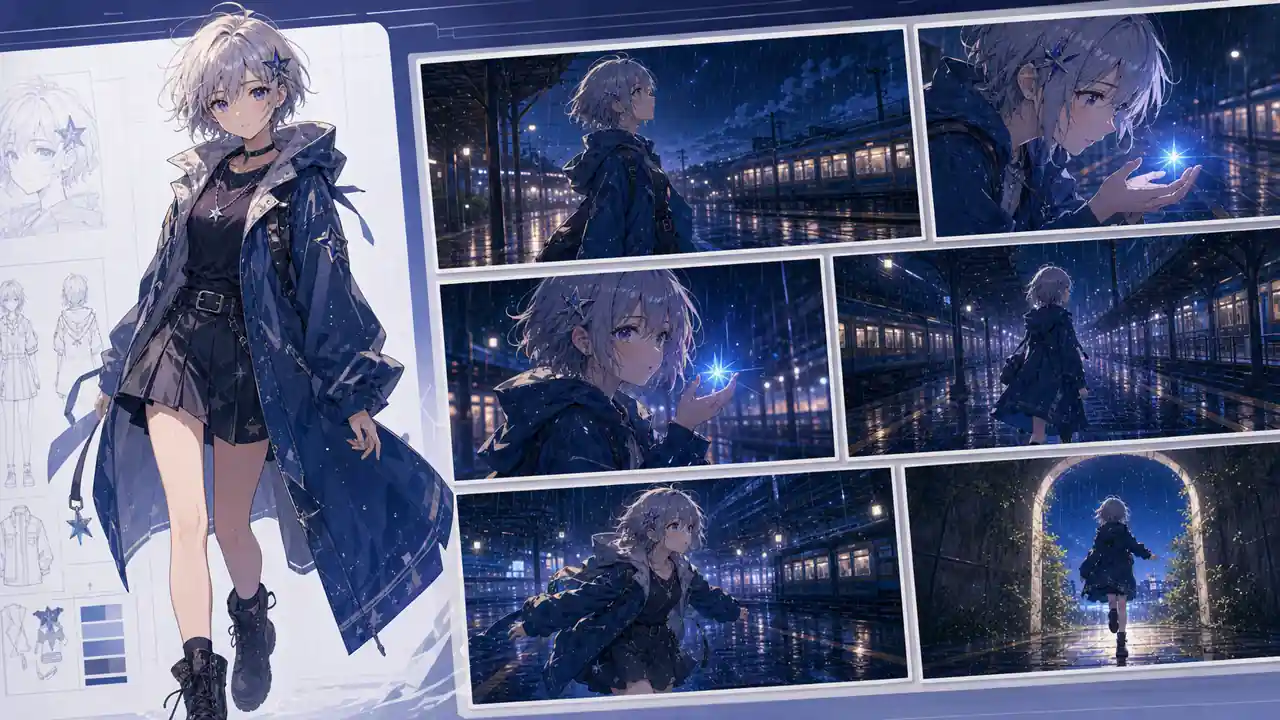
AI is useful for testing ideas quickly: character concepts, outfit directions, backgrounds, color palettes, and story moods. It is also helpful when you need several versions of a character before choosing the final design. For a polished final artwork, you may still want manual editing, upscaling, or an artist's finishing touch.
Common Mistakes to Avoid
Do not ask for a copyrighted character unless you have the right to use that character. Do not rely on vague prompts like "Japanese art beautiful girl." Do not mix too many styles in one prompt. And if you want a traditional look, avoid modern terms such as neon, cyberpunk, or photorealistic unless that contrast is intentional.
Try It Free with APOB AI
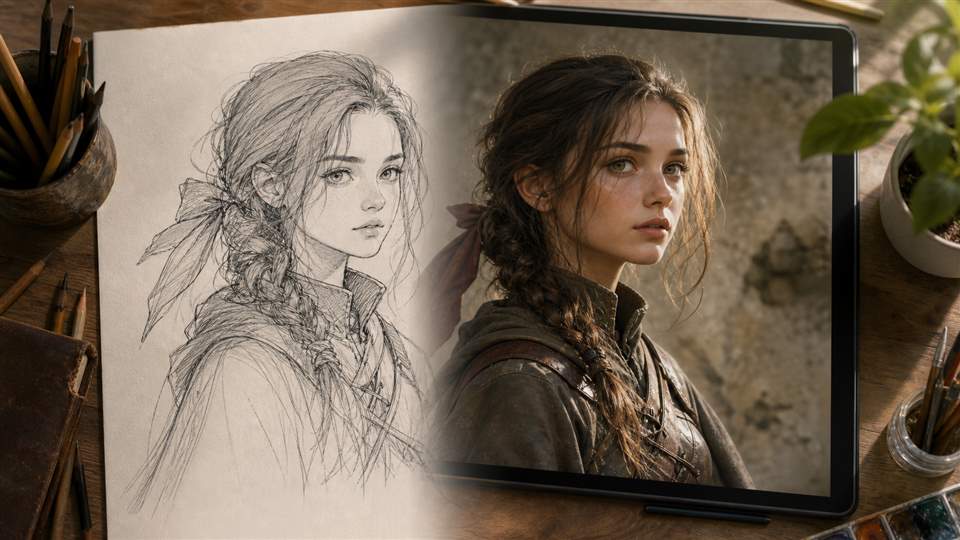
APOB AI lets you test anime, manga, and Japanese-inspired styles without starting from scratch. Use one clear prompt, review the first result, then adjust the pose, clothing, background, or lighting.
FAQs
How do I draw a Japanese landscape with AI?
Use a landscape prompt with location, season, time of day, and style. For example: "ukiyo-e inspired Japanese landscape, quiet river village, autumn maple trees, Mount Fuji in the background, flat colors, fine line texture."
How do you say cartoon in Japanese?
The word anime is commonly used for animation, while manga refers to comics. For AI prompts, use the English terms people search for: anime style, manga panel, Japanese cartoon style.
Can I use AI-generated Japanese-style art commercially?
Commercial use depends on the platform terms, your prompt, and whether the output resembles protected characters, artists, or brands. Check the tool's license before using images in products or ads.
References
The Metropolitan Museum of Art (2004) Woodblock Prints in the Ukiyo-e Style. Available at: https://www.metmuseum.org/toah/hd/ukiy/hd_ukiy.htm (Accessed: 7 May 2026).
Google Arts & Culture (2026) Japanese art. Available at: https://artsandculture.google.com/entity/japanese-art/m03j35 (Accessed: 7 May 2026).
U.S. Copyright Office (2025) Copyright and Artificial Intelligence. Available at: https://www.copyright.gov/ai/ (Accessed: 7 May 2026).

Be the first to like this.













No credit card needed


